
Walk down a Manchester street and ask 100 people if they like traditional English music, the chances are your enquiry will be met with more blank looks than anything resembling informed enthusiasm.
You might, by chance, stumble upon some hardcore ceilidh devotee or somebody who can name something from the Steeleye Span back catalogue, but the outcome of the survey is more likely to be mildly damaging to your own reputation than remotely informative.
Take a similar stroll down any high street in Kazakhstan posing the same question (adapted to fit the country) to the same number of people, and not only will the numbers be very different, but so too the way your curiosity is received by the locals.
According to Aigul Ilyassova, musician and former Artistic Director of the Kurmangazy National Orchestra of Folk Instruments, millions of people in Kazakhstan, and not just older people, retain a healthy reverence for their musical traditions – even those who don’t listen understand the value that this history brings to the culture.
To give a (very) brief overview – and leaving vocal traditions aside for this article – the main instruments that have endured in Kazakhstan are stringed. The dombra has two of them and is played mainly by strumming, but various alternative styles include plucking. Any dombra master is likely to be skilled in either while professional performers typically favour one over the other, given that there are two distinct routes to proficiency.
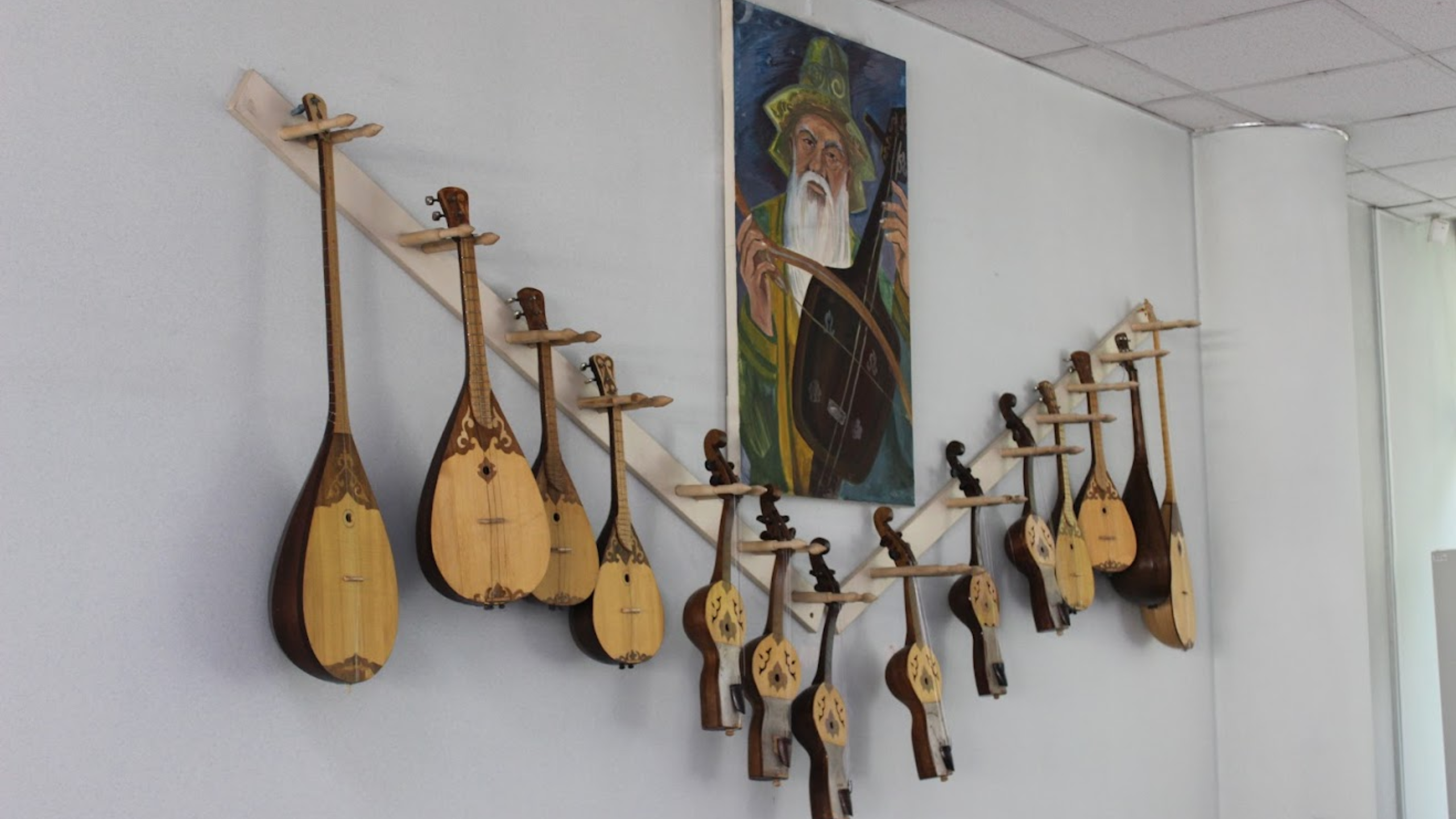
The kobyz, if described crudely, is like a cello, a bowed instrument supported by the legs, the instrument which Aigul herself has played in countless concerts either as part of an orchestra, ensemble, or solo performer. Said to have been invented before medieval times, the kobyz is an integral part of any orchestra and most folk performances (some traditional ensembles featuring only dombras).
The shankobyz is fascinating to many westerners, as it is unlike anything to be found over there. It is played by plucking, but within the mouth, as the performer adjusts the oral cavity to affect the echo, thus producing melody. Worth a click, for sure.
It is not true that the genre is tucked away in the background and wheeled out for visiting suits to make an impression, or showcased at festivals just to tick boxes. It is a very real phenomenon, and even in these days of Spotify, when enough music to last a lifetime is available via a few taps, kids are picking up dombras with as much enthusiasm as their ancestors did back in the days when the instrument was a focal point of social life in whole communities.
Another Aigul, People’s Artist of the Republic, Aigul Ulkenbayeva, speaks of how in her youth, there was no Internet, no television, and that playing traditional music was how people of all ages spent their free time.
Things there have changed, yes, and nobody is under the illusion that everybody in Kazakhstan listens to folk music all day. Many don’t listen at all, such is life.
It’s like chocolate, in a way. If you ask 100 people what their favourite food is, maybe five say chocolate, but if you ask 100 people if they like chocolate, maybe 95 of them will say they do. So, not necessarily top of the list, but definitely on it somewhere.
So, even the most promising dombra or kobyz player has Spotify playlists full of other music, from Russian rap to rock, and in the case of a serious music student called Nuradil, groups like Katseye are important to him. He also listens to a lot of electronic stuff, arguably the antithesis of what he is learning to play, but as any anthropologist will tell you, a society modernising doesn’t have to mean that it replaces itself in the process.
“Traditional music is still important because it carries culture, history, and identity. It connects people to their roots and preserves the emotions, stories, and values of past generations,” he said.
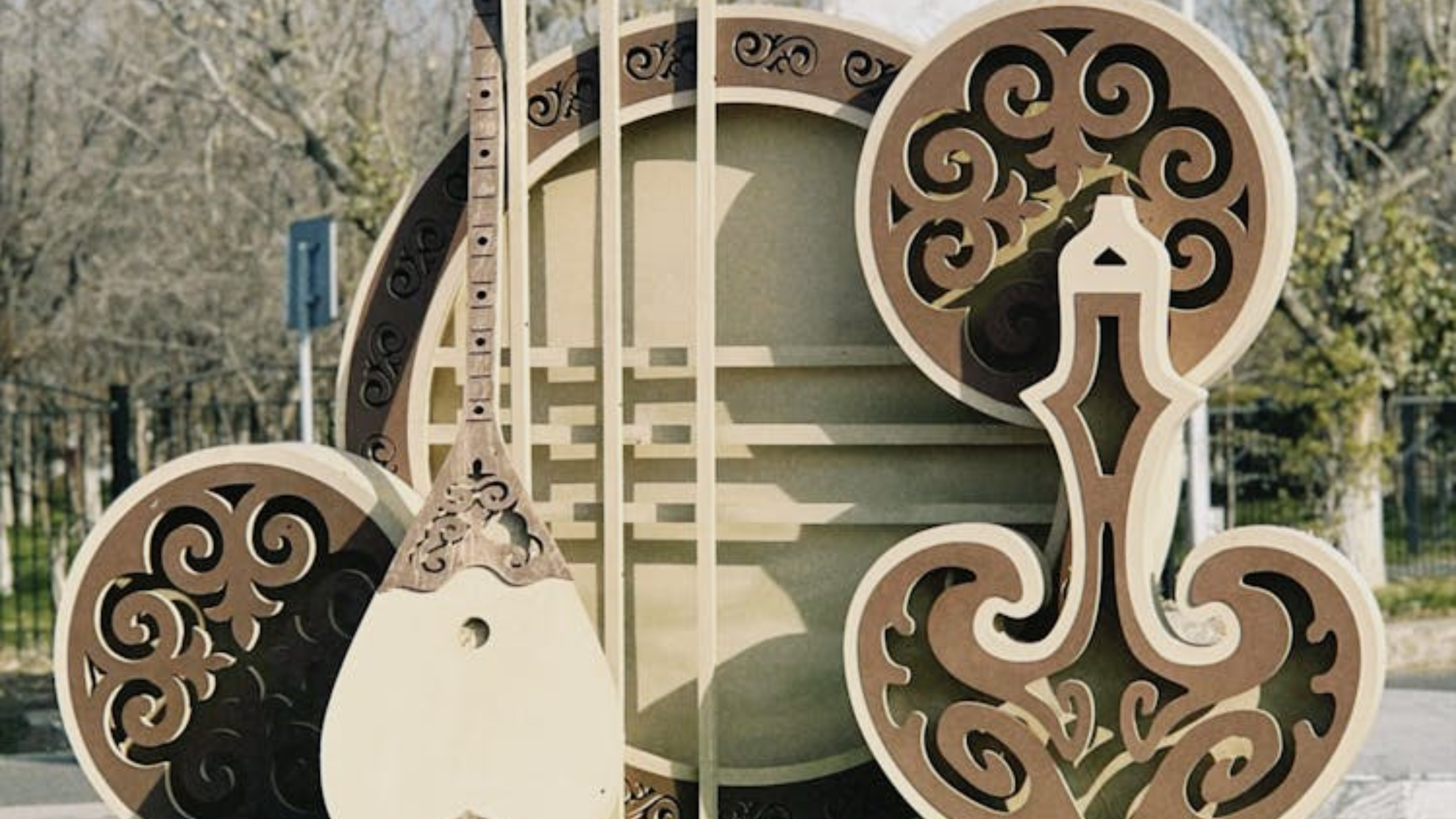
Nuradil adds that it inspires modern artists and that he likes music which incorporates traditional sounds with contemporary production, a preference shared by Arailym, also a young student of the kobyz, who believes that this trend is attracting more young people back to their roots.
“Because modern artists use more traditional instruments in the composition and performance of their music, it attracts young people right to the extent that older music is not disappearing, rather its place in the culture is being reinforced.”
Some say the Universe is always in balance; something stirring in one place leads to something growing in another.
So, the forward march of something new often means that many people turn back to what came before. When asked why the young students have chosen to keep their traditions alive, they all largely explain their decision in the same way – it is about preserving national identity instead of being swallowed up by the great sameyness sweeping many other parts of the world.