

Once upon a time, as many stories chance to begin, the design industry in Kazakhstan hadn’t moved on very far from the more official symbols, despite being rich in culture and full of creative, enterprising people.
That contrast with the myriad shapes and colours of today merits brief mention: the fascinating and dynamic patterns which bring so many things to life weren’t in extensive evidence back in the day, arguably because the technology didn’t exist – but maybe also perhaps because the Adil sisters hadn’t yet discovered their true calling?
That’s part of the reason, anyway.
The younger of the two, Assel, apart from unlocking the secrets of eternal youth, is a self-taught designer with a background in finance and a UK education, leaving her also with a standard of English that she didn’t get chance to demonstrate (because we did the interview in Russian).
What she did get chance to demonstrate, along with her sister and business partner, Indira, was an enormous portfolio of designs, logos, motifs, and artwork which date back about 20 years, when it all started as just a bit of fun.
Indira explained that the very roots of their work were Assel’s curiosity for designing.
“Assel started making her first designs herself when the idea came up, 16-17 years ago, the idea to create something unique with a national flavour.”
Originally from the northern city of Kostanay, the Adil sisters relocated to Almaty even before Assel started school. Indira was just finishing Year 4. Although they have spent time in other cities for study purposes, they regard Almaty as their home and the centre of their business empire.
Perhaps empire isn’t the right word. If we are talking about success, shops, and clients in many locations, a reputation that goes before them, and the idea of occupying a prime position in their market over a broad area, then let’s go with empire.
But this whole Star Wars connotation is misleading. Their business is not trying to rule the world. It is based on love, on beauty, and on wanting to touch lives in their own unique way, which makes them more artists than business leaders, although they have excelled in both for many years now.
Indira explained how their business got going:
“Fashion was also only really associated with holidays, like Nauryz and weddings, and even then, you didn’t really wear anything so special for weddings.
“Back then, people would remember that there was national dress, but often didn’t look beyond that, and then we had an idea.
“Maybe we weren’t the first, maybe there was already an understanding in society that we, as a culture, could do better, that a country with talent and heritage had so much going for it that hadn’t yet been put on display.”
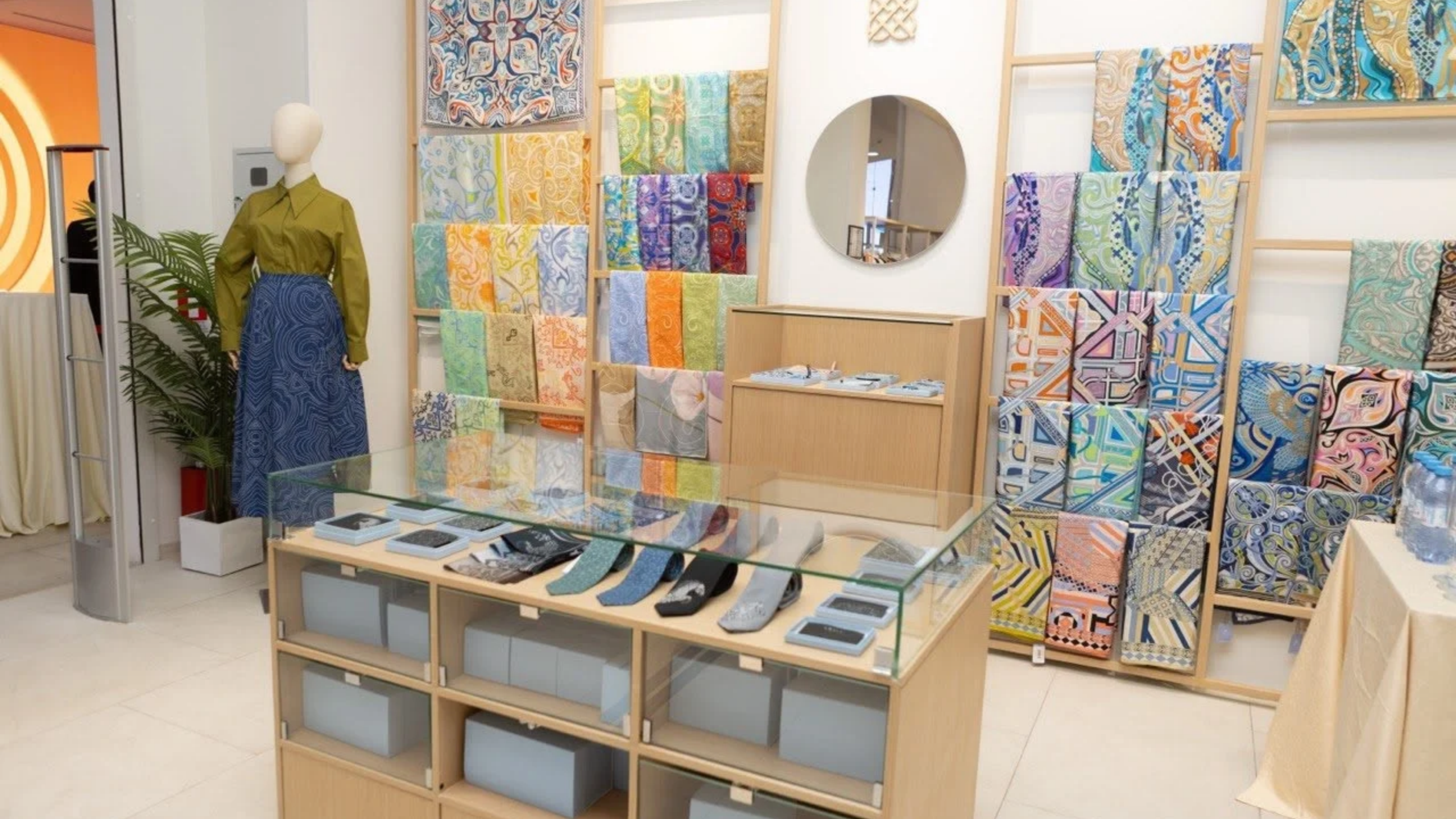
Assel echoed this, but from a different perspective.
“When I was studying in the UK I was often mistaken for a Korean, or people would think I was Chinese or Japanese.
“Yet there were others who thought about it more deeply and noticed that I was dressed like a European, which led to other questions, both theirs and mine. I could answer theirs easily enough; ‘I am from Kazakhstan’ tended to do the trick, but my questions led to deeper reflection.
“I didn’t have anything to wear that said Kazakhstan to people, no jewellery, nothing self-identifying, which to me as a foreign student with an awakened sense of patriotism started to feel like a void.”
It’s not as if Assel got straight to work, because she had a Master’s degree to get, but the idea gained traction as her year in Manchester flew by, as years tend to do, and when she got back to her homeland, sharing this with her sister, Indira, became the first step of a more serious project.
No sensible business just launches onto the market, even though some have done so and prospered, as it invariably pays to test the waters first. They started exploring the market, talking to artisans. About accessories, you know, shawls and the like.
Assel was lining herself up to work on the company’s finances, but the aforementioned true calling asserted its dominance and she and Indira became closer than ever working on the creative side, what would have been called graphic design back then.
Assel made their first scarf and the rest writes itself. Self-teaching on programs like Corel Draw blended with innate artistic talent also to be found in their family, and the designs kept coming.
There may be very limited profitability in just designs, they have to be on something, whatever it is, and not many people living in Kazakhstan have zero experience of Adili, even unknowing, as the brand has graced so many things, right from small clients to major banks.
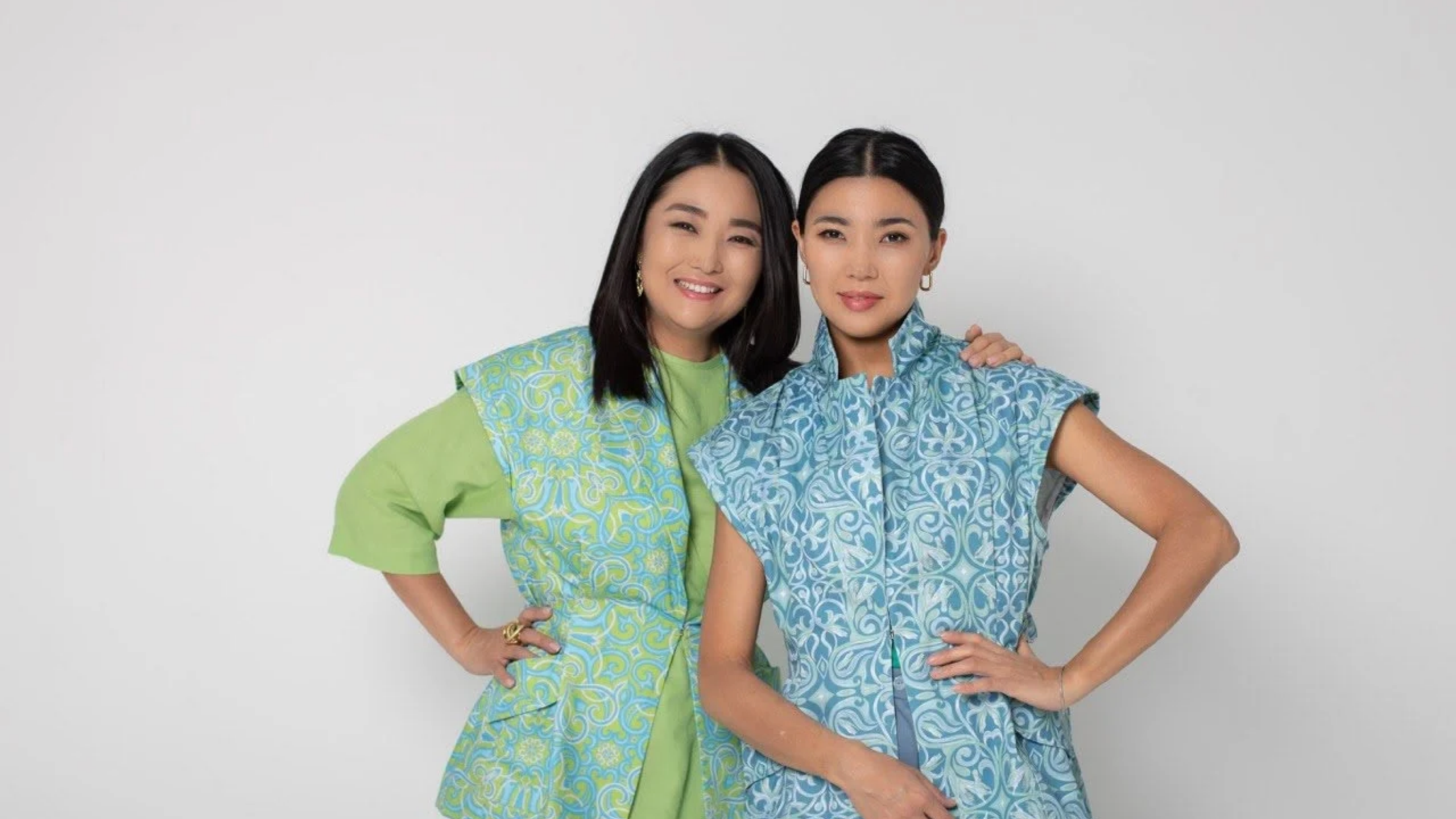
The leading bank in Kazakhstan (in terms of the size of its reserves) has collaborated with them and some of its corporate literature is adorned with shapes and patterns which originated on the Adili computers. Two local airlines boast the same, Fly Arystan and Air Astana having both collaborated on designs that are now part of the image of each.
According to Indira, getting ideas onto screens came easily, but getting them produced took more negotiation and preparation.
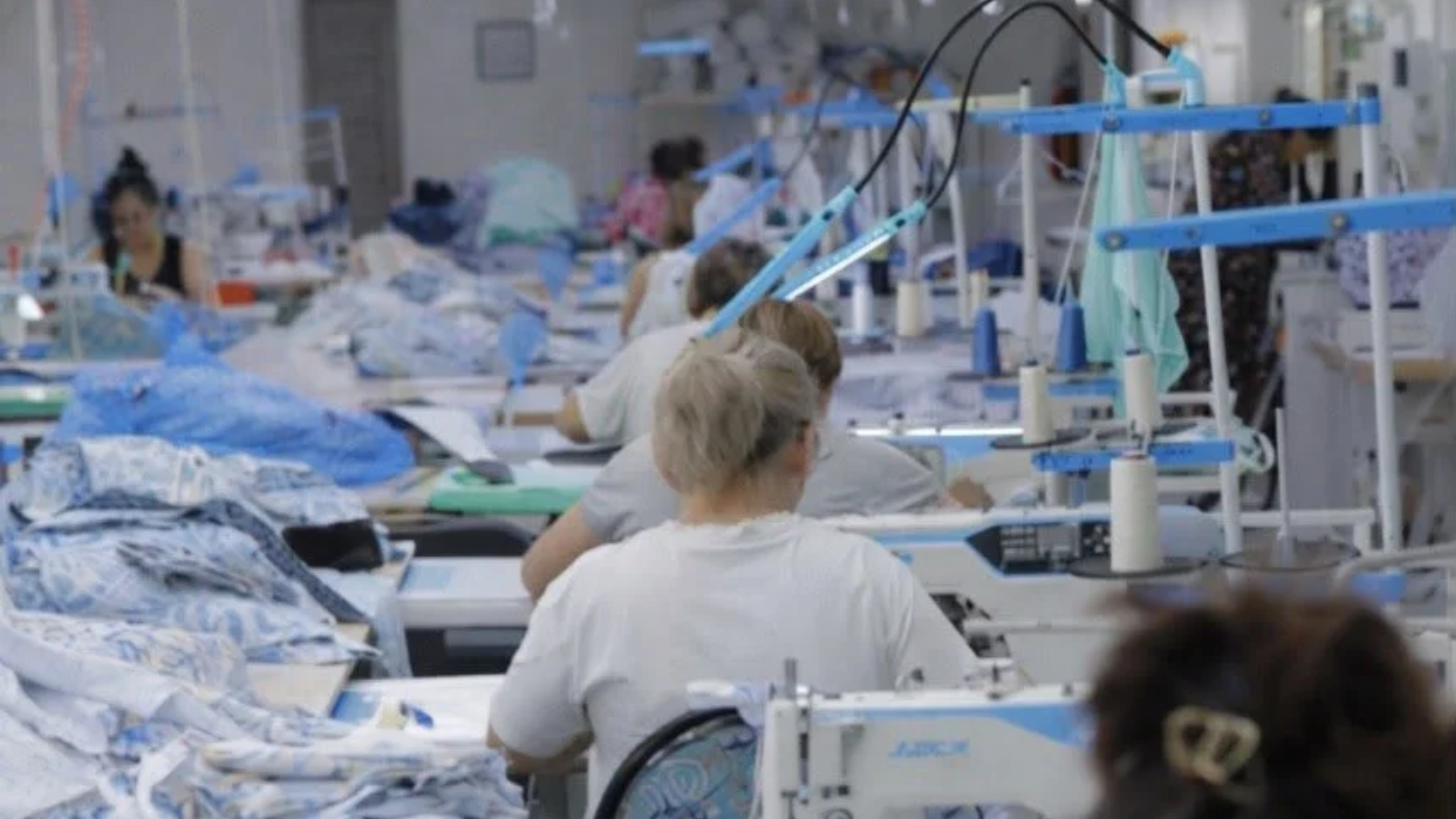
“The question became, where should things be manufactured? We didn’t have the right kind of facilities in Kazakhstan back then. We placed an order with a factory in China, because we couldn’t figure out who could make it here. We didn’t have anything on that scale at that time.
“We do bags, wallets, leather, also with patterns. No one here makes them in this way. Assel also found the first factory there, and we placed one order, and when the product started to arrive Assel herself opened the first store in Astana.”
Although Assel first wanted to create something that would showcase her country to the world, their first customers were not international. That came later.
The earliest sales were made from their Astana outlet on Turan Avenue in the fledgling capital of Kazakhstan. Sure, some of those making purchases could have been from abroad, but most weren’t, and despite the success they were already having, it was not something they wanted to rush.
“It was small to begin with. We ordered little by little, not even into the hundreds, but by now we have shops in four Kazakh cities and we have a plan to expand to Hong Kong when that can be arranged. We also have an online store where we do perhaps 8% of our business. Yes, there will always be a place for the traditional shopping experience; people still like the face-to-face interaction.
“We have expanded our product range. We now have a large selection of clothing and accessories. We’ve strengthened our workforce. We have our own design studio. So, while there were just the two of us back then, starting out and just working together, now we have about 90 people working on our team. It’s turned into quite an enterprise.”
The designers create the patterns but the team also now puts a lot of thought into the shape and form of clothing too, as their team works in new areas of the fashion industry, catering to people of all ages. What they create is not limited to one particular style, and inspiration comes from traditional and modern themes alike.
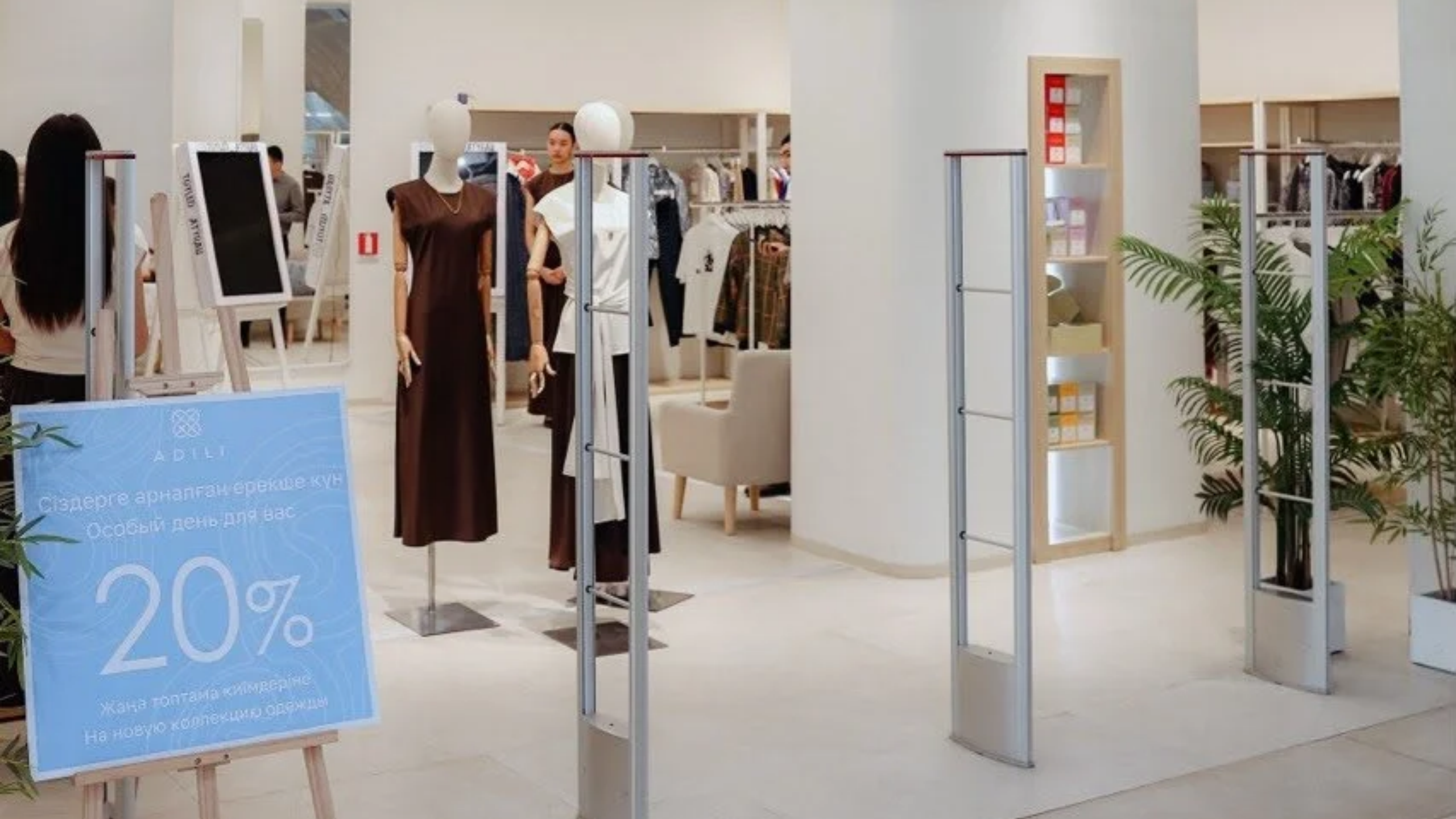
As described, their partners include some of the most recognisable names in the Kazakh economy, but they contribute to cultural organisations, too. The Almaty Museum is a client, and they work with both B2C and B2B customers, winning awards in the process. They may approach potential clients but quite often receive requests directly, especially when there is a theme that a company has decided on, or a public holiday that they want to honour that requires something new, something catchy, something enchanting.
At least two ambassadors to Kazakhstan have also attended their official ceremony with an Adili scarf. It is not established, universally, if ambassadors are known for fashion expertise, but it’s quite a nod for the brand, very well known across Kazakhstan, either by those who know they have bought an Adili design, or, perhaps, even those who don’t.
This video is in Russian, but offers subtitles.