
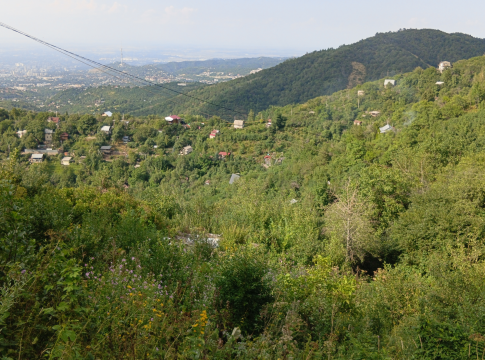
Probably every significant settlement in what was the Soviet Union is flanked by areas of natural beauty given over to what the locals call dachas. As this is not a prevalent reality in the UK, there is no direct translation of the word, which in English would most probably be expressed by two – country house. This rural connotation endures, despite urban sprawl consigning many such dachas to the confines of an emerging city.
Families lucky enough to own, or have access to, a dacha may go there with regularity for so many reasons: to laze about in the fresh air, to get away from city life, to work in the garden, or even just to read.
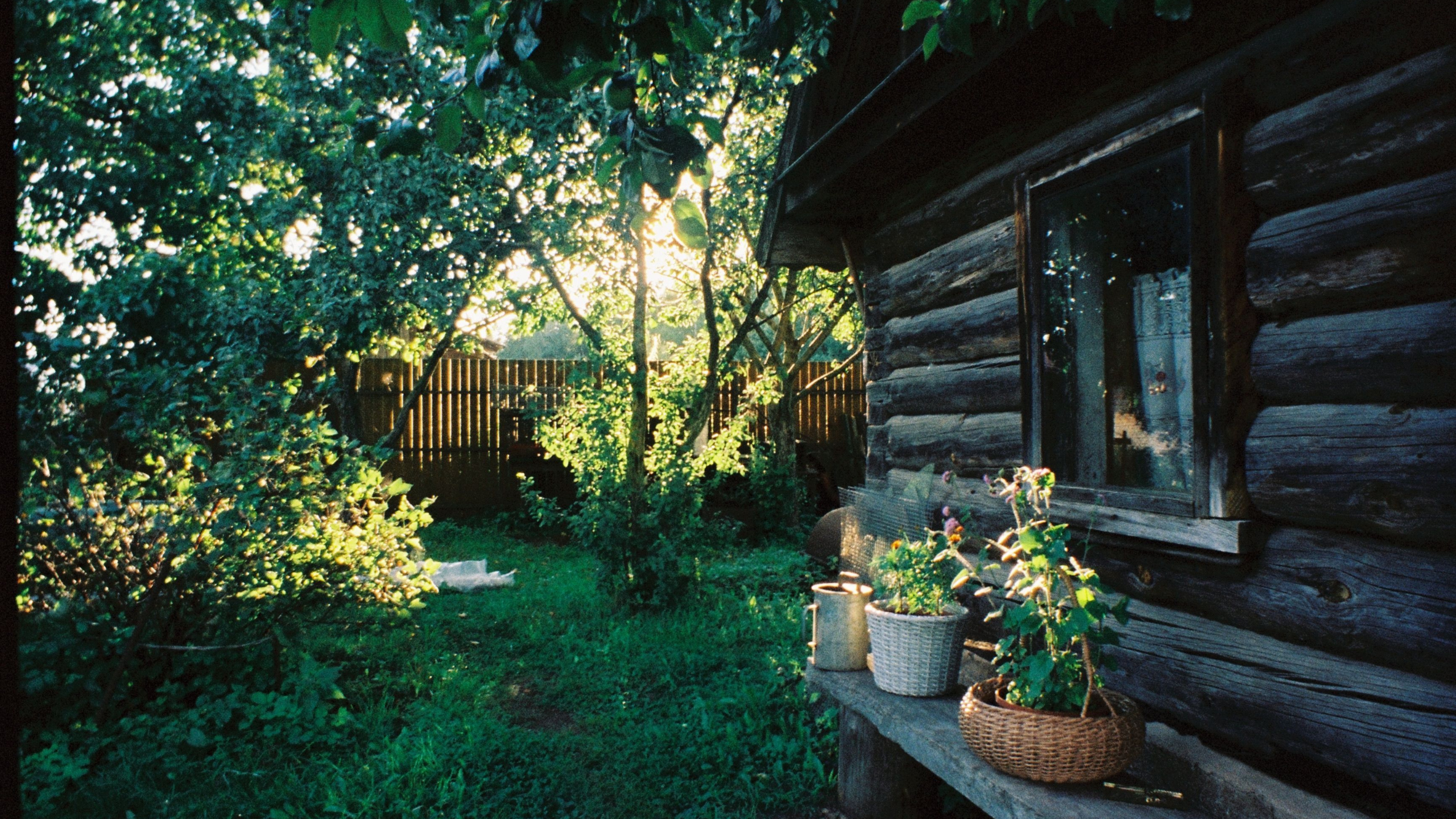
The word dacha didn’t come into being by chance. When Peter the Great in the XVIII century gave lands free to his courtiers, the word was adopted because it comes from the verb to give (дать), from which the derivative noun is дача, a giver, hence the poetic-sounding dacha.
Larissa, a doctor of several decades, often spends time at hers near the town of Kaskelen, a stone’s throw from Almaty. She explained that in Soviet times, the land was offered for free by government organisations to their employees to grow fruit and vegetables. The result of this was dachas all over the vast country, although there were rules about how large they could be, and restrictions on buying and selling them.
“The intention was never to build permanent houses, rather, to have shelter, storage, and a place to make a cup of tea,” explained the lifelong Almaty resident, adding that these days the plots have passed into private ownership, a process that started in the 1990s.
There is something magical about dachas. Even many of those which have been caught up with by construction retain their tranquillity and charm, and each hut, shack, or delicate structure retains an aura of history, full of memories of very happy times.
This is not an exclusively pensioners’ pastime, a weekly trip into nostalgia and a summer weekend of waxing lyrical about days gone by under the sunlit evening apple trees.
Children love going; young adults, and the middle-aged can often be seen cramming into a car to head into the sticks to pick raspberries and enjoy some serious family time. Even the hardiest of cool teenagers are often up for a weekend at the family dacha, in spite of the indefatigable grip that city life has on them as they try to put their childhood in the rear-view mirror.
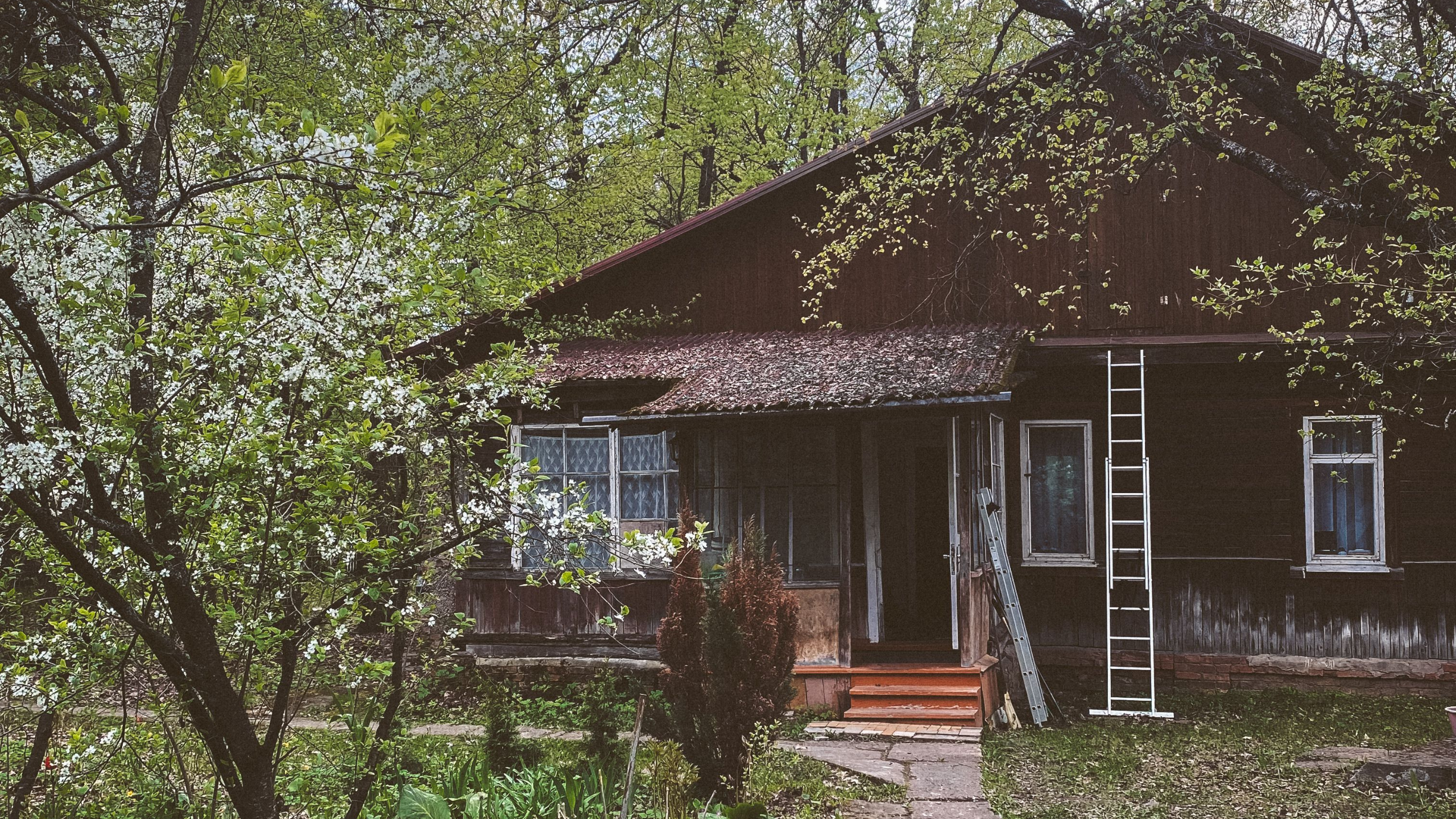
Larissa’s own dacha has been in her family since the late 60s, when land was handed out free of charge, meaning that her grandparents took the rights to a plot, where they made a commitment to growing food. That was how it all started for her, and even today, while not as involved on the agricultural side, she still gets out there almost every weekend, as well as spending more time there in the warmer months.
“In those days, for example, a worker gave out free food to a compatriot. For everyone, or for whom? Well, for those who wanted it. It was all done in cooperation; people in the community looked after one another.
“People could grow fruit and vegetables a little to improve life, so to speak.
“Our plot was chosen when it was such a wasteland that no one was working on it. And then my dad took over that plot. And so, well, the only thing was that they took the plot and then worked on it themselves. So, you know, complete independence. That’s it. So, they were cultivating it; basically, they were building. Who built it? The family, yes.
“But back then, there were restrictions, like you couldn’t build large houses. There were no bathhouses. There were no stoves in the houses. That’s how it was at the start.
“At one point, the neighbours even kept cows; some had chickens. Times have changed, but so much hasn’t.”
The spirit of community underpinned dacha life in those days, while today there is a lot more privacy involved and many people see their country house almost as escapism.
This is not something Larissa said herself, as she feels that the community is still part of the beauty of dacha life, but a theme people often pick up on when listening to other locals talk about their weekend in the garden.
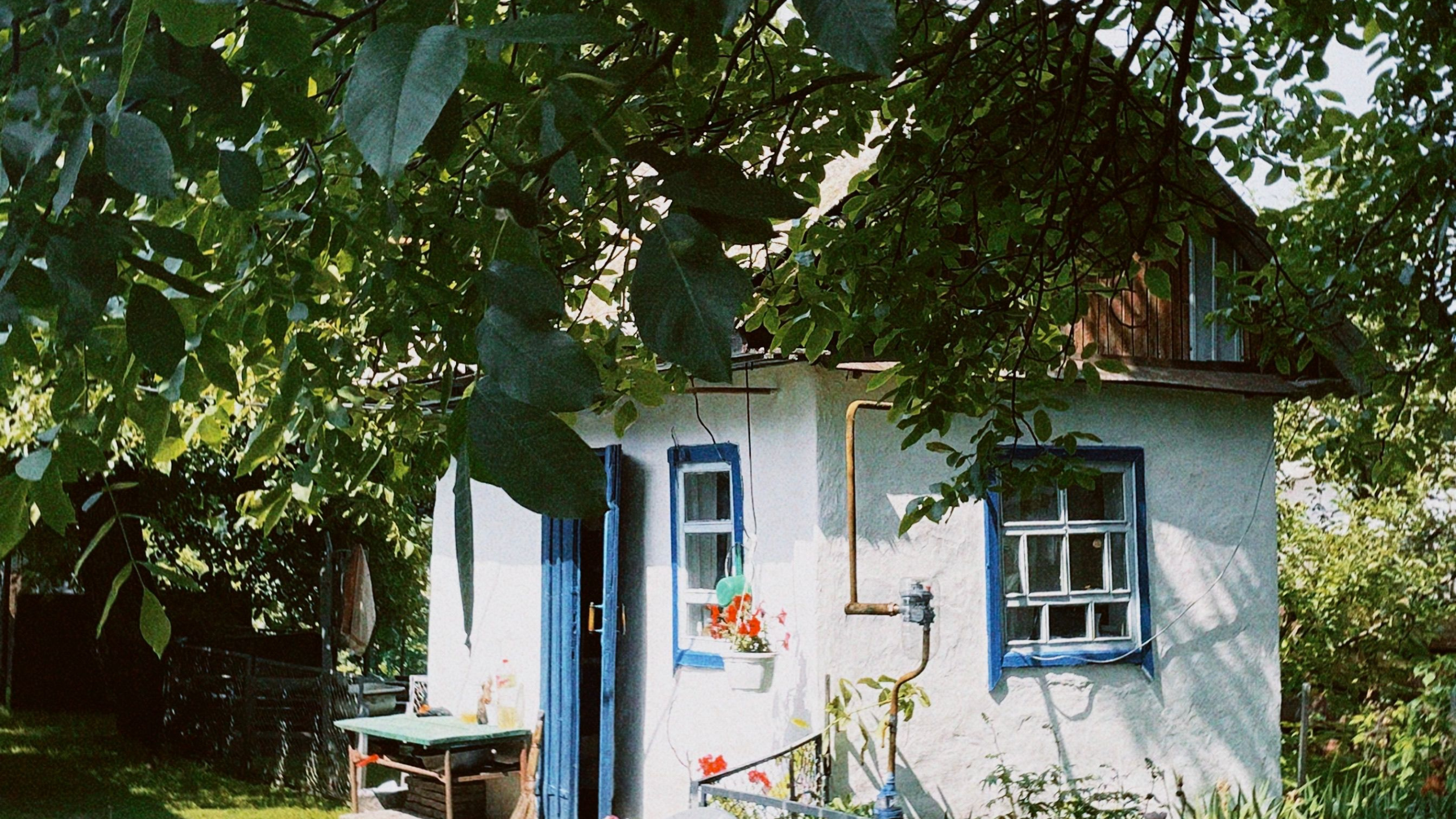
Larissa said that back in the 70s, when she was at school and her parents were working, people would only go at the weekend, and that it was devoted to growing food. These days, there is plenty to do in the garden but not always for the cooperative, as it was decades ago.
“Spring work begins somewhere in April, maybe at the end of March, so, April, May, June, June, August, September, October, that is, until late autumn. Well, it’s like this for everyone, but we don’t spend long unbroken periods there. It’s not a permanent home.”
It’s not unheard of for people to live in their dacha all year round, but those who do will have needed to spend money on preparing the property for harsh winters. Nor do all such areas have gas, water, or electricity supply. In Almaty, most do, but it wasn’t always the case, and one area is currently being added to the gas network as we speak.
Larissa’s dacha makes a comfortable place to be when the weather is suitable, meaning that she often stays over in summer, but it’s not something her family would consider in winter, nor have they ever thought of making it their only residence.
“It’s summer now, so I live there some of the time. I can spend the night and sleep soundly. I have a TV there, plus the Internet.”
“I want the plot to be beautiful, so I plant flowers. I plant vegetables and fruits, such as tomatoes, cucumbers, peppers, and eggplants. The rest are shrubs, currants, and trees. There are even old varieties, and there are apples and pears.
“And so, we’re there, we’re sitting next to a neighbour’s friend, we know each other, we visit each other, and we talk. There is still such a strong sense of community. For example, I may see a neighbour who says she has a beautiful flower; I would love one like that, and she shares it with me.”
In this area, some rare types of fruit are also to be found, such as pears, alongside apple trees with old pearmain. There is a summer type of fruit which is yellow and sweet, and doesn’t store well over winter, picked from a tree called limonka, because its apples are yellow. People also harvest grushovka (pear apple), which is small, sweet, and sour, the most famous of which is Aport. Add to this the unique talgarka pear, too.
Over time, some of the original purposes and rules of dacha life have been relaxed, which means that some people have already been allowed to build stoves, which is why there are more permanent dacha residents these days than there were before. And it’s not only Russians, as the reality of the massively multi-ethnic Kazakhstan also applies here, too.
Of the few drawbacks, Larissa explained that there is the ongoing risk of burglary, even with adequate security measures in place. There are also some limitations, odd things they can’t do, but nothing unreasonable and nothing which detracts from the overall magic.
“The power sometimes goes out, too!” she said, smiling.
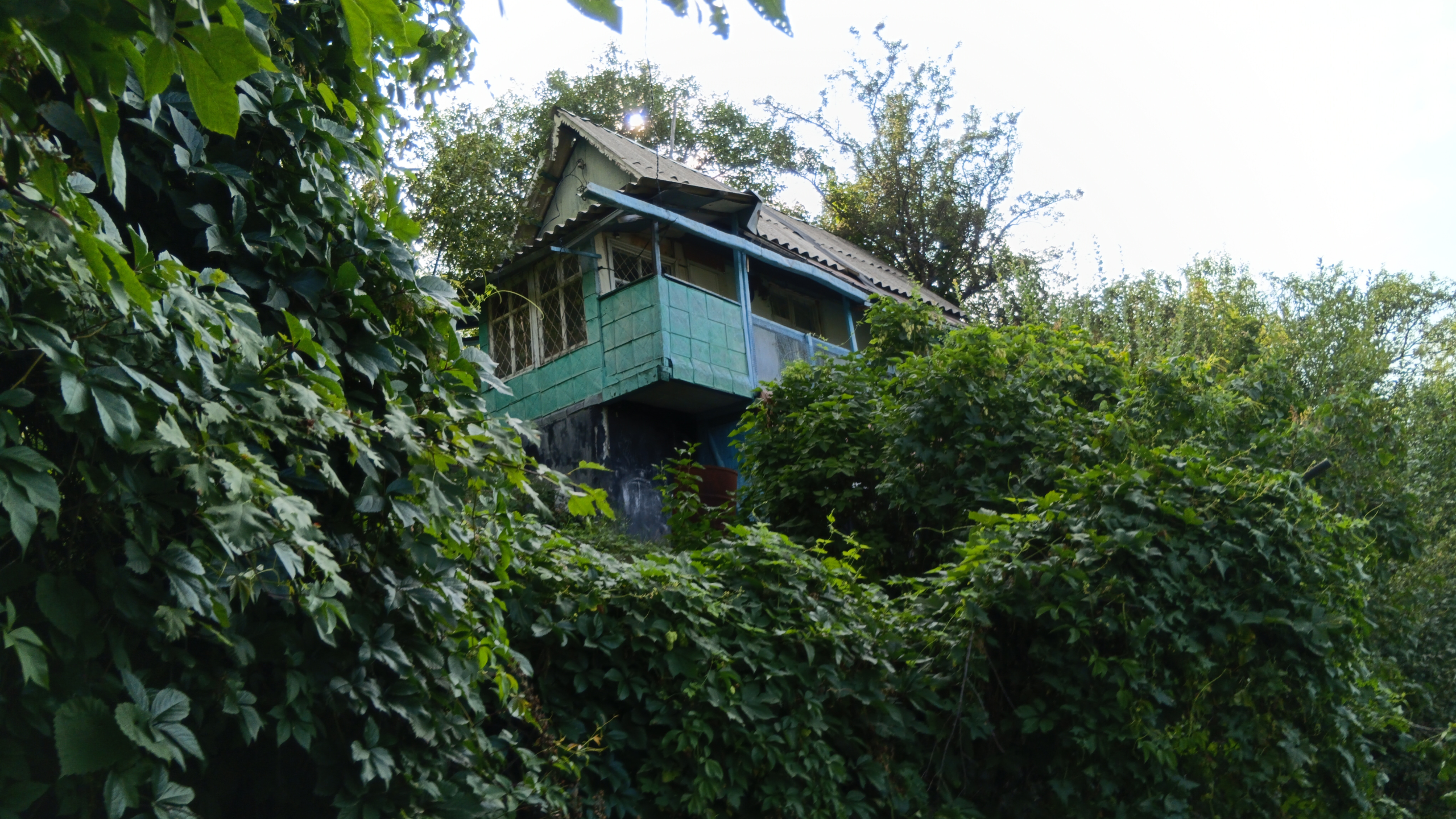
If nothing lasts forever, then neither do dachas, and it’s not unusual to see some which have obviously not been used for many years. Perhaps a sad sight, but nobody should be under any illusions that this is evidence of social or economic decay. In fact, in some cases, it can be quite the opposite, as families with dachas have in many cases prospered, and don’t feel they need the land any more.
Other plots have been sold off and larger houses built, partly why some former areas are now largely permanently inhabited, some very impressive properties often to be found in areas which were once dachas only.
Such is progress, but in some areas the dachas were built on land which can’t easily be set aside for modern construction, as the slopes are too steep. This is the case in one area of Almaty, which has some beautiful dachas still alive with the laughter of children and the wagging of dogs’ tails, nestled next to shacks that have no discernible future, and can’t easily be restored or replaced by anything.
Reclamation by nature remains the most likely outcome, but even here, there is a certain beauty and tranquillity that hasn’t yet departed, mingling with the curiosity you get when passing…
who spent their summers here, all those years ago?