
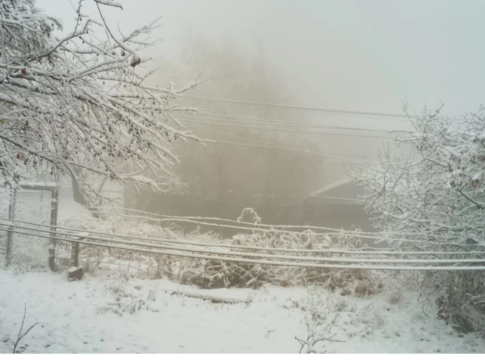
Even with expectations of a mild winter, and a forecast for November notably warmer than the seasonal average, the arrival of the coldest season this morning in Almaty is only slightly later than it would usually be.
There is a noticeable difference between southern and northern Kazakhstan between mid-November and mid-March, not that one is cold and the other is warm, but that the windy steppe sees harsher winters than the moutainous south. For this reason, this article gives more of an overview of the Almaty region than it does the of capital, Astana. Suffice to say that Astana is not categorically different – just does the chill in more style.
Four Distinct Seasons
The obvious presence of four distinct seasons is one of the unsung wonders of this Central Asian country, especially down south, unlike in the UK where some may say they don’t even have seasons at all, just samples. A few days of sun, just to give you the idea, likewise a few days of snow, when winter should be happening. We in Kazakhstan have four very definite seasons characterised by exactly what you would expect of each.
With winter now upon us, let’s take a look at what changes in the city when the snow finally falls.
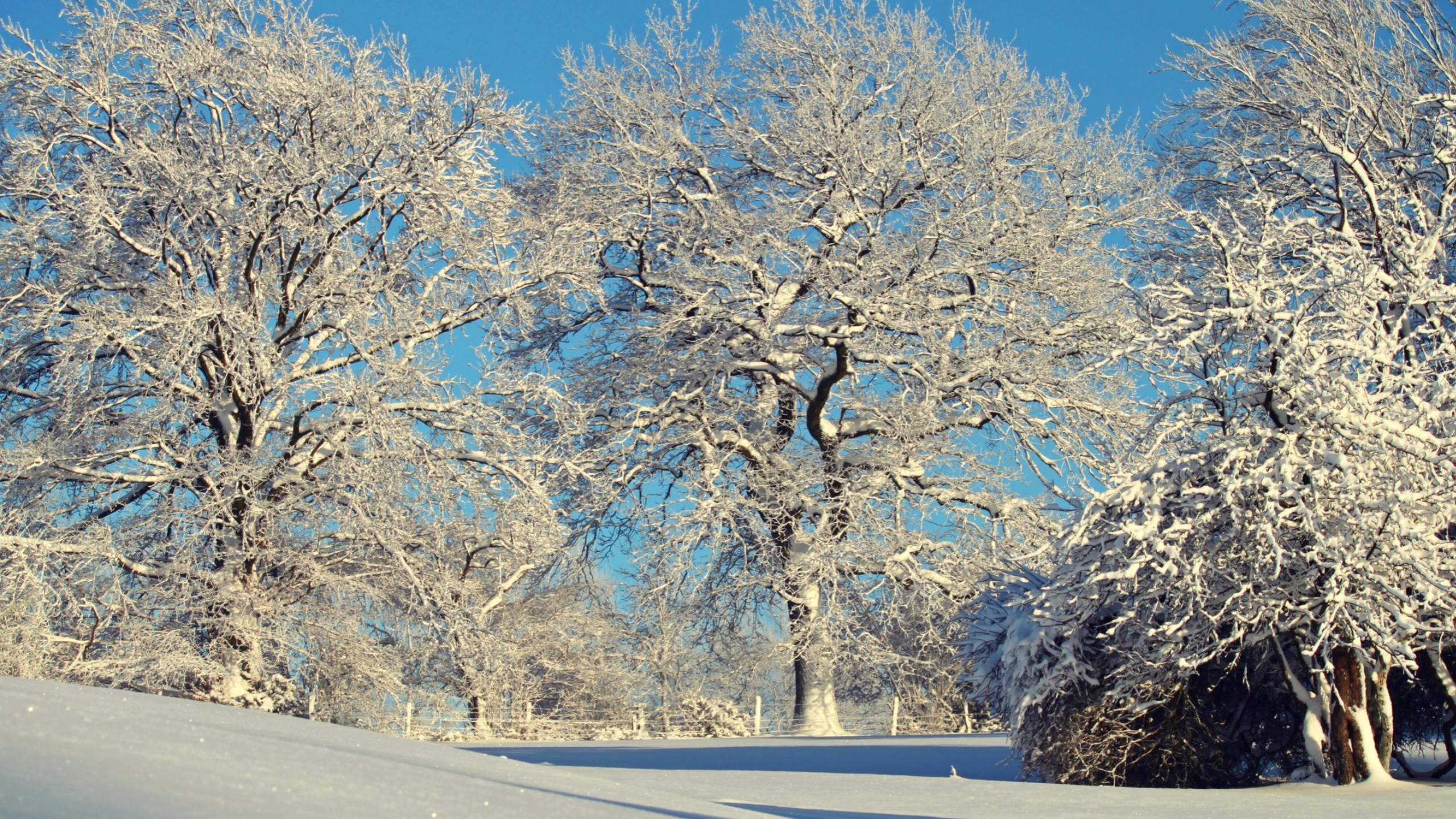
The weather, of course, is different and doesn’t require any real explanation, considering I only now just said that we have those four clearly defined seasons. Almaty is cold in winter but not Siberian cold, the mercury tends to fall to minimum 5 or 10 during a winter day, colder at night, but each winter invariably delivers a couple of cold snaps that it pays to be prepared for.
At Home
Given that the architects who planned Soviet and post-Soviet construction here knew a thing or two about ice, structures are generally quite robust and issues with insulation and water supply don’t tend to kick in until it gets really cold. I mean, really cold. I remember my pipes freezing once, but that was during a record cold spell in Almaty when a few days in January saw people wrapping up to keep minus-almost-40 temperatures at bay. Luckily, that’s rare, although if forecasts are pessimistic, it’s not unusual for people in some exposed properties to leave a tap running to make sure that the pipes are less likely to end up frozen solid.
Inevitably, while heating flats and houses is a commitment few opt out of, costs are manageable and fuel prices, whatever the preferred option may be, won’t break the bank. City areas have hot water provided by a central supply, private houses tend to use more modern systems and those in between may opt for their own boiler, standalone electric heaters, or very occasionally, wood or coal-fired stoves (the latter being phased out). The result is impressive, Kazakh residences very often heated to ten degrees warmer than your average British house.
Taking Care Outdoors
As for the great outdoors, snow and ice are a staple of winter and don’t fully melt away until the middle of March. Snow is nice to look at, for a while, but care may be required when walking out. Recent years have seen a much improved commitment to clearing ice on city pavements but no local authority can prepare for every single quick freeze, so it pays to take care, even when there is no ice visible underfoot.
Another consideration is ice falling from rooftops. If the temperature warms, even slightly, ice can become dislodged from gutters and can fall onto pavements (sidewalks). Be careful!
It may go without saying that people dress warmly in winter, but not without saying that this seems to happen long before it actually snows, and children are sent to school in October wrapped up in layers. That may not seem necessary to some, but let’s leave parents to know their own kids, and concentrate on what we wear.
Many a Brit resident in Kazakhstan yet then visiting the UK in winter has reported expecting going from minus 20 to plus 10 to mean that they feel hot, but in fact they seem to experience the opposite. The damp of a British ‘winter’ makes the whole experience all the more ‘clingy’ and although you do need layers in January in Almaty, they will usually tick the comfort box, whereas a coat in Manchester on the same day might still mean you have that chilly feeling.
Be prepared, and also make sure that you have sensible shoes, because without them, when you get snow on your feet and it soaks in, you’ll be left with damp socks.
Getting Around
Main roads are kept clear, even after a light snowfall, lesser roads depend on traffic using them for the packed snow to get broken up, and country lanes end up narrower because snow at each edge isn’t completely cleared by road users. Care goes a long way, sensible driving will almost always do the trick, but in some cases, access is limited to those who live in certain places and need to head up that road.
When winter arrives, drivers are required to change to winter tyres. As I haven’t driven a car since about 1990, I needed to consult an expert here and found one in the shape of TyreMap:
Kazakhstan requires winter tyres marked M+S or 3PMSF by law from 1 December to 1 March, under the Customs Union technical regulation on the safety of wheeled vehicles. All-season tyres are not accepted instead. Studded tyres are allowed in season. Cars may do 140 km/h on motorways (WHO 2023 country profile). An IDP is only valid with your national licence (Road Traffic Law, article 73).
It’s also common for drivers to leave their cars running for a while before they can drive off, and some use some kind of remote control to start the engine before even heading out to it. When they get there, the first thing they may reach for is a scraper to get the ice and snow off the windscreen. And when they get moving, inevitably, they have to go slower than they would in summer.
Central heating on buses is turned up, often to the max, and passengers are welcomed by a wall of heat when they get on any bus. Unlike in summer, seating preference becomes a reality with many people making a beeline for seats next to heaters. Warm feet on a bus? Surely life doesn’t get any better than that.
Winter in Almaty – Leisure Time
Meanwhile, a lot of leisure options migrate indoors, as not everybody is up for some of the winter choices, more of which presently. Shopping centres get a lot fuller, not necessarily with literal shoppers, but with people in food courts, cinemas, cafes, and yes, shops.
Cafes whose busy terraces are packed all summer send their outdoor furniture off to storage until maybe April, depending on how spring works out, and it gets harder to find table space in some of the more popular places. Mind you, that’s true in summer too, in the very best, one of the Nedelkas and New Bisquit, maybe. Another thing that goes without saying is that cloakrooms in shopping centres fill up, and while it’s rare that they can’t accommodate guests, it has happened at peak time once or twice.
I would talk about Christmas music, only I can’t think of any that I like, so hearing Jingle Bells all the way from early November to January is not my idea of entertainment, nor background music, but the festive musical season does kick off when winter arrives. So this is something to expect, as are decorations all across the city, rather like you would expect for Christmas, as opposed to New Year, in a Western city. However, this aspect waits until December, so if heading back to the onset of winter a month or so earlier, we can now introduce leisure activities and the jewel in the crown of Almaty at this time of year – winter sports.
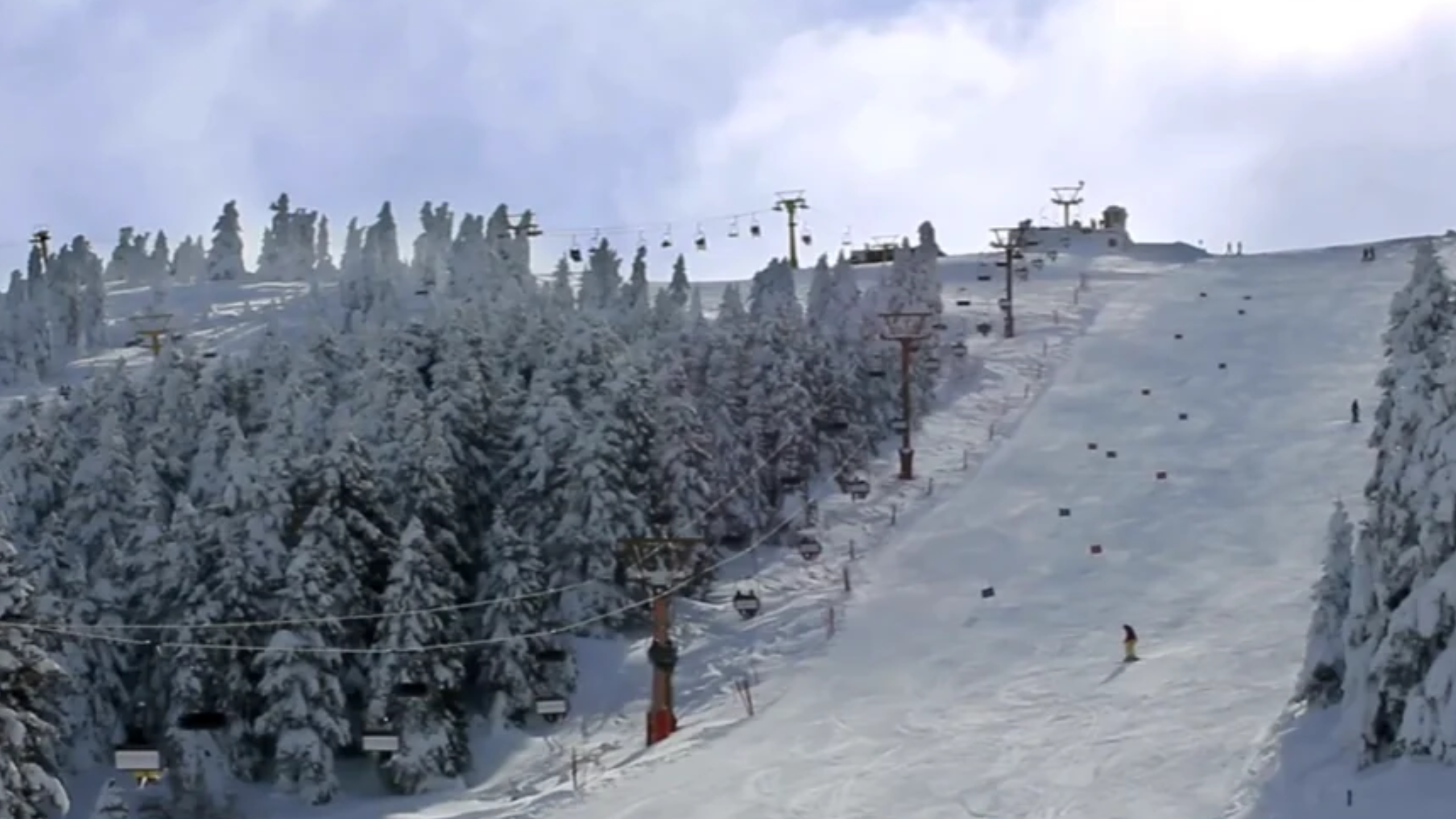
Boasting at least three top class ski and snowboard facilities means that Almaty is a destination for many people who like sliding down the side of a mountain – and there are many of them. The main winter sports resorts, Oi Qaragai and Shymbulak often pack out in high season and on days off work and school, meaning that getting there early can be a good piece of advice for those who like a clear run down the slopes.
Ski Central Asia
The winter sports infrastructure here has been known to impress even enthusiasts from continental Europe, although this would typically be people already here for work, as opposed to tourists who choose Kazakhstan for a winter holiday over Austria or Switzerland. In any case, they enjoy the skiing.
Cycling, well, if you have some winter tyres like Schwalbe Ice Spiker Pro then you can ride outdoors at this time of year, but for serious riders even this tends to be slower-paced and less exhilarating, and with most routes here involving at least some climbing and descending, there is still considerable risk involved in heading down a steep hill at any speed.
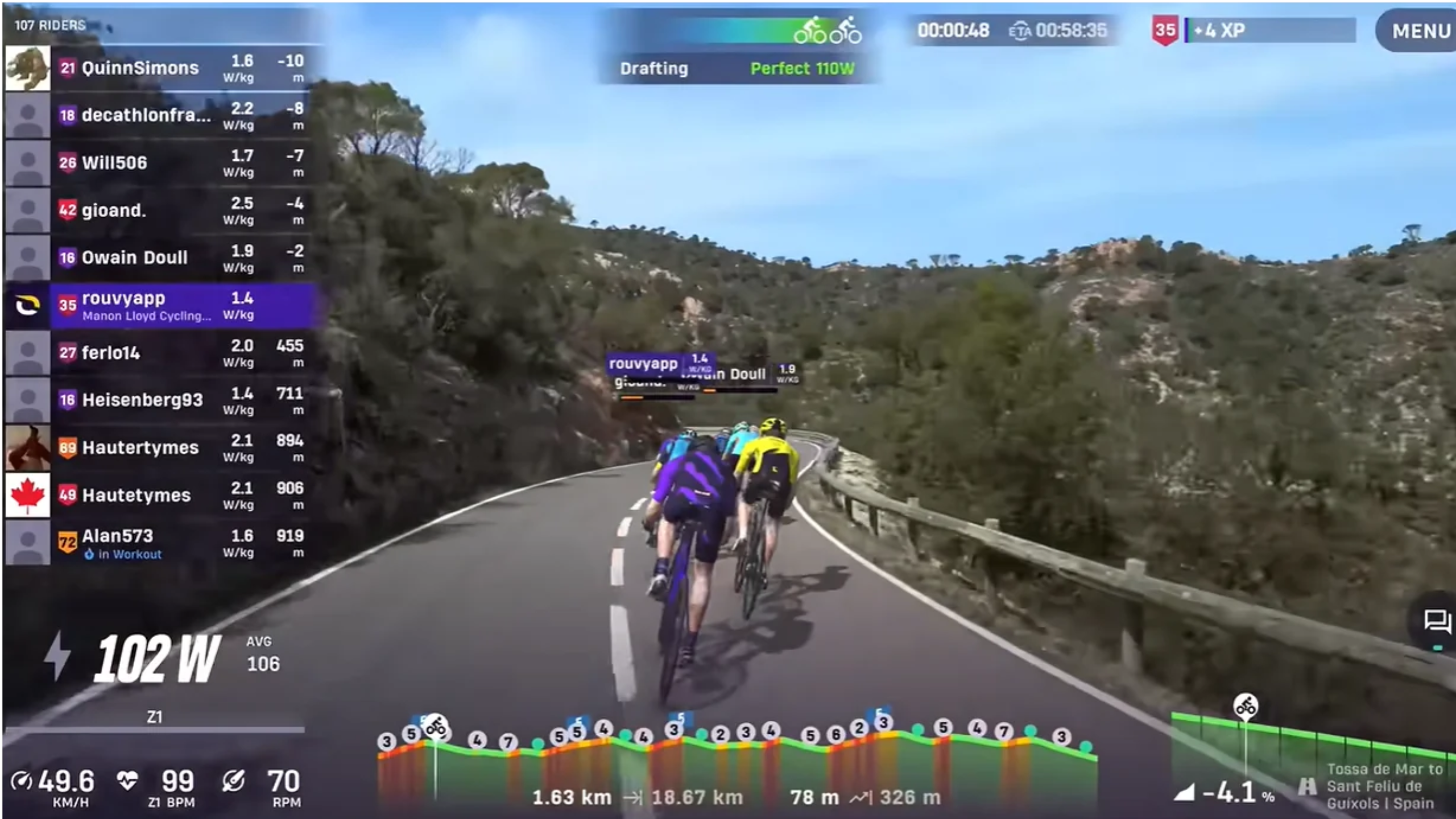
For this reason, many cyclists head indoors and set up to ride virtually, using one of the most popular indoor cycling platforms, the main ones being Rouvy, Zwift, and MyWhoosh. Strava devotees often post rides that they did on their balconies yet in some exotic location across the world, and those taking the super-smart choice of a Rouvy membership can pedal the world, compete in races, and do effective training programmes.
Sport, apart from winter sport, isn’t as easy in a wintry Kazakhstan, partly why the football season straddles the warmer months, instead of the cooler ones as it does way out west. It would be for the players themselves to say whether this means they are more or less prepared for international matches, but the domestic season doesn’t mesh with the global, so there will inevitably be pros and cons.
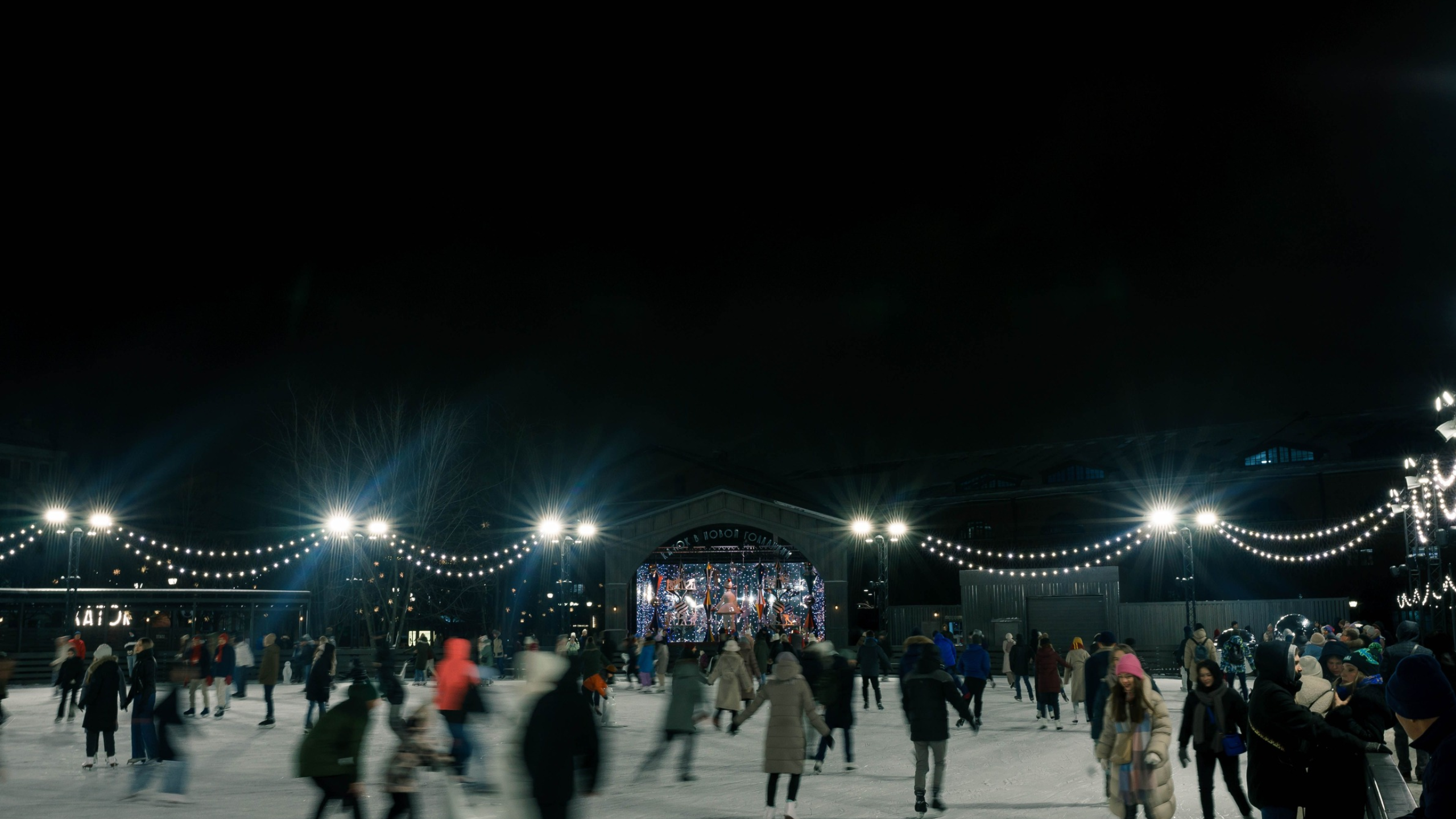
Town centres here open ice rinks in winter, not just the main ones which are always open, but smaller ones where children get to know skating without needing to travel into the mountains.
A lot of these mini ice rinks are situated in or near major shopping centres, so either before or after sliding over the ice, families can stock up on winter treats, seasonal favourites such as mandarins and persimmon. Many choices are not in fact so seasonal as they can be purchased all year round, but there are plenty of extras on sale at this time of year, which adds to the magic, even for those who are not so keen on sub-zero temperatures.
Perhaps this kind of weather has a shelf life, and people rejoice more in the arrival of spring than they do in that of winter, but with the right clothing and the right care, there is plenty to do from November to March in the season which changes the city.