
Following the recent release of four Amur tigers into the Kazakh steppe, another area of the country has joined the Ile Delta zone in receiving animals with a view to reintroducing them to the regions they once inhabited.
Both the Times of Central Asia and Qazinform are running the news that five Przewalski’s horses now roam free in the Kostanay region of northern Kazakhstan.
Unlike the tigers, these horses are not the first to be reintroduced to the country, as a herd was released earlier in the year after spending time in captivity to allow them to acclimatise to their new surroundings.
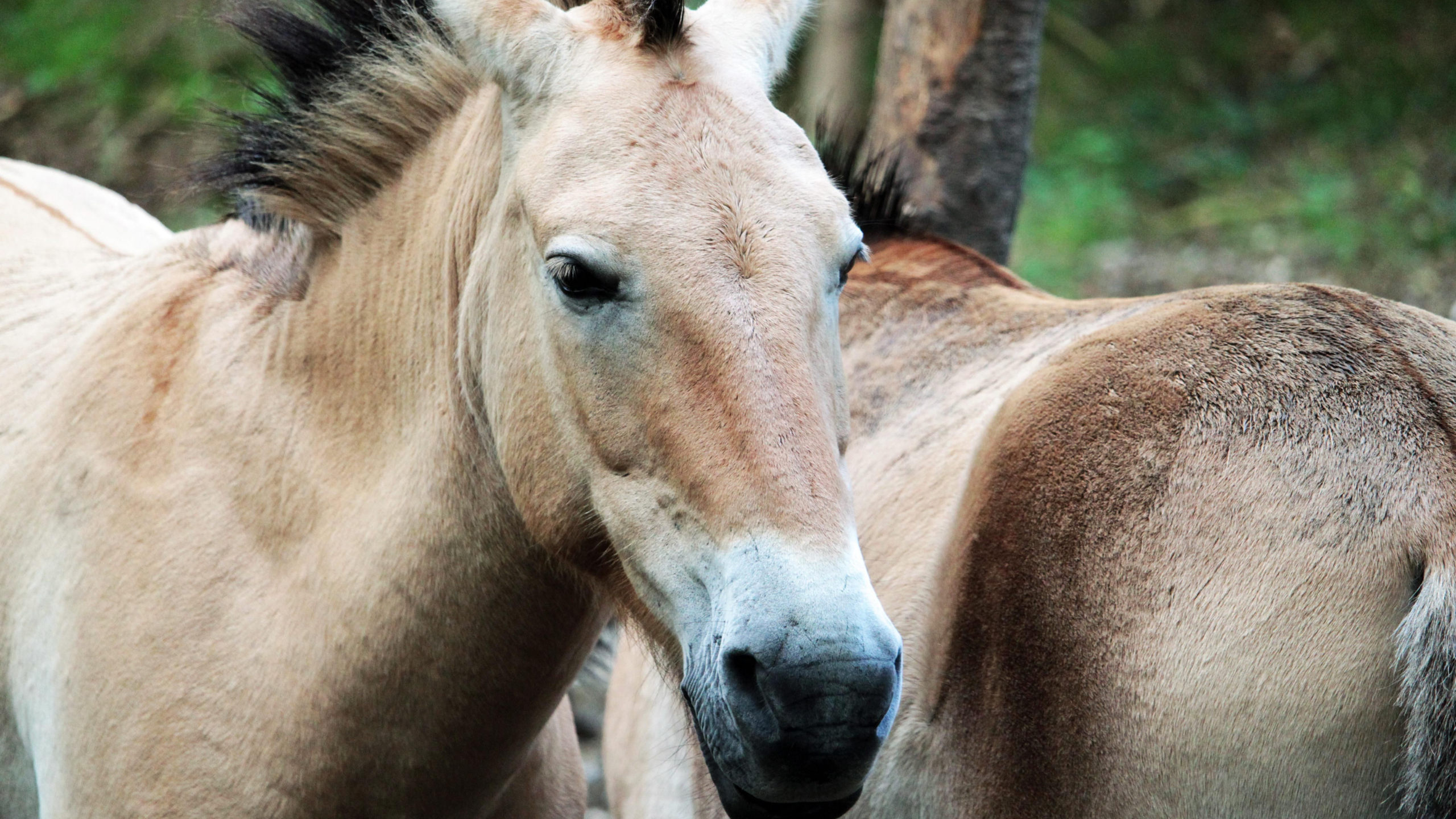
The same procedure enabled these newer arrivals, some of them from Hungary, to settle in, and the Altyn Dala State Nature Reserve now has a new stallion and four mares. This is the latest addition to the country’s commitment to achieving a self-sustaining population of up to 45 wild horses by 2029.
Przewalski’s horses were originally common in Central Asia, and are considered an endangered species even today. Interestingly, this equine has 33 chromosome pairs while domestic horses are known to have 32.
The stallion is called Galvan and hails from Prague Zoo. After the year spent in enclosures, surviving the northern Kazakh winter along the way, he and the mares, the latter from Hungary’s Hortobágy National Park, now seem very settled in their new home. Galvan has been fitted with a GPS collar for monitoring purposes.
The Ministry of Ecology and Natural Resources is committed to Kazakhstan’s reintroduction programme, launched in 2024 in conjunction with European zoos.
Previous conservation efforts in the region have proven that Przewalski’s horses can thrive in their former homeland, as the Przewalski’s Horse Reintroduction Project in China, dating back to 1985, saw the population rise from 11 to 127 in just under 30 years, thanks to the efforts of the Xinjiang Wild Horse Breeding Centre. Mongolia has also seen similar initiatives bear fruit.
The Kostanay Region is keen to emulate the success of its Central Asian counterparts, and as reported by Reuters last year, the reintroduction project for this horse, after many years of its absence, is showing encouraging results.
Featured video below from a year ago.