
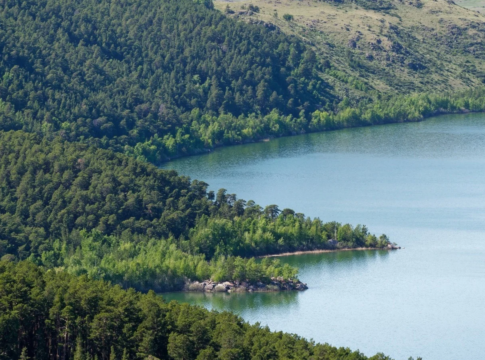
The third Sunday of every October in Kazakhstan is a day of recognition for an underrated profession and a significant part of the country’s commitment to protecting its environment.
Forestry Workers’ Day was adopted by the Government on 31 October, 2017, one of many officially recognised and approved holidays, this time created to honour the work of those who protect the forests, lakes, and wildlife habitats that are critically important to Kazakhstan in so many ways.
These key workers are not only there to put out fires and keep trespassers out, they have a wide range of duties geared towards keeping parks in pristine condition. They carry out inspection on a regular basis, monitor the condition of young saplings, and are responsible for a range of tasks related to fire prevention.
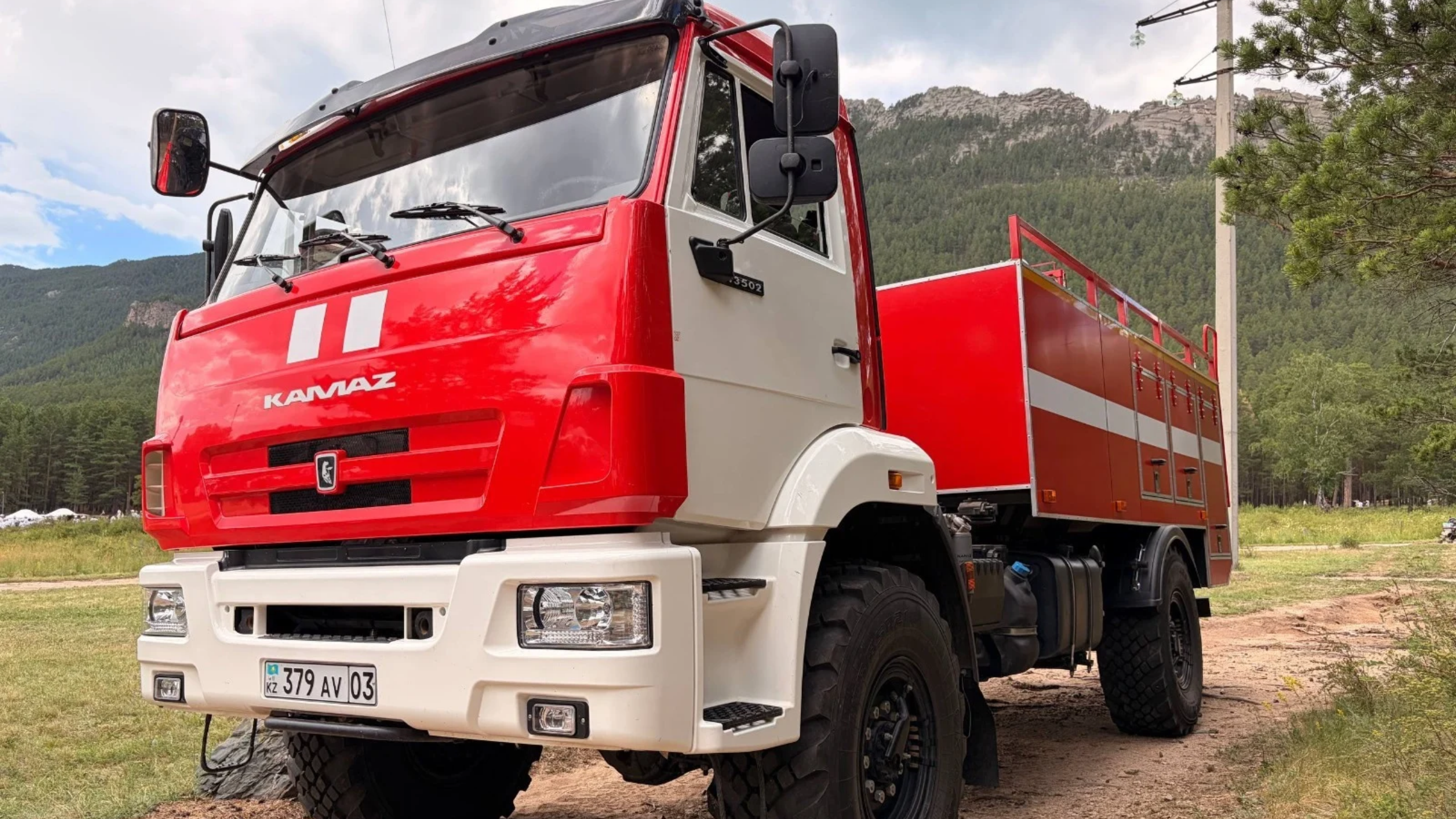
Summertime sees employees conduct nature conservation patrols, prepare food for wild animals, and prepare feeding ahead of the winter. They also find time for environmental education, including classes for schoolchildren.
A vast area of woodland in the north of the country is Burabay National Park, for many years a treasured destination for people all over the region. With its ten forestry departments covering approximately 130,000 hectares of protected land, not to mention employing about 600 people, the park this week shares the story of some of those the third Sunday in October is there to acknowledge.
While strolling through forests for a living might sound like your dream job (and mine), the foresters are not just glorified hikers. The team at Burabay are allocated very specific duties and are expected to know every detail of the land they cover, not just to avoid getting lost (although this helps), but so as to notice changes in the forest and recognise potential threats immediately. A bit like Radogast – minus the rabbits.
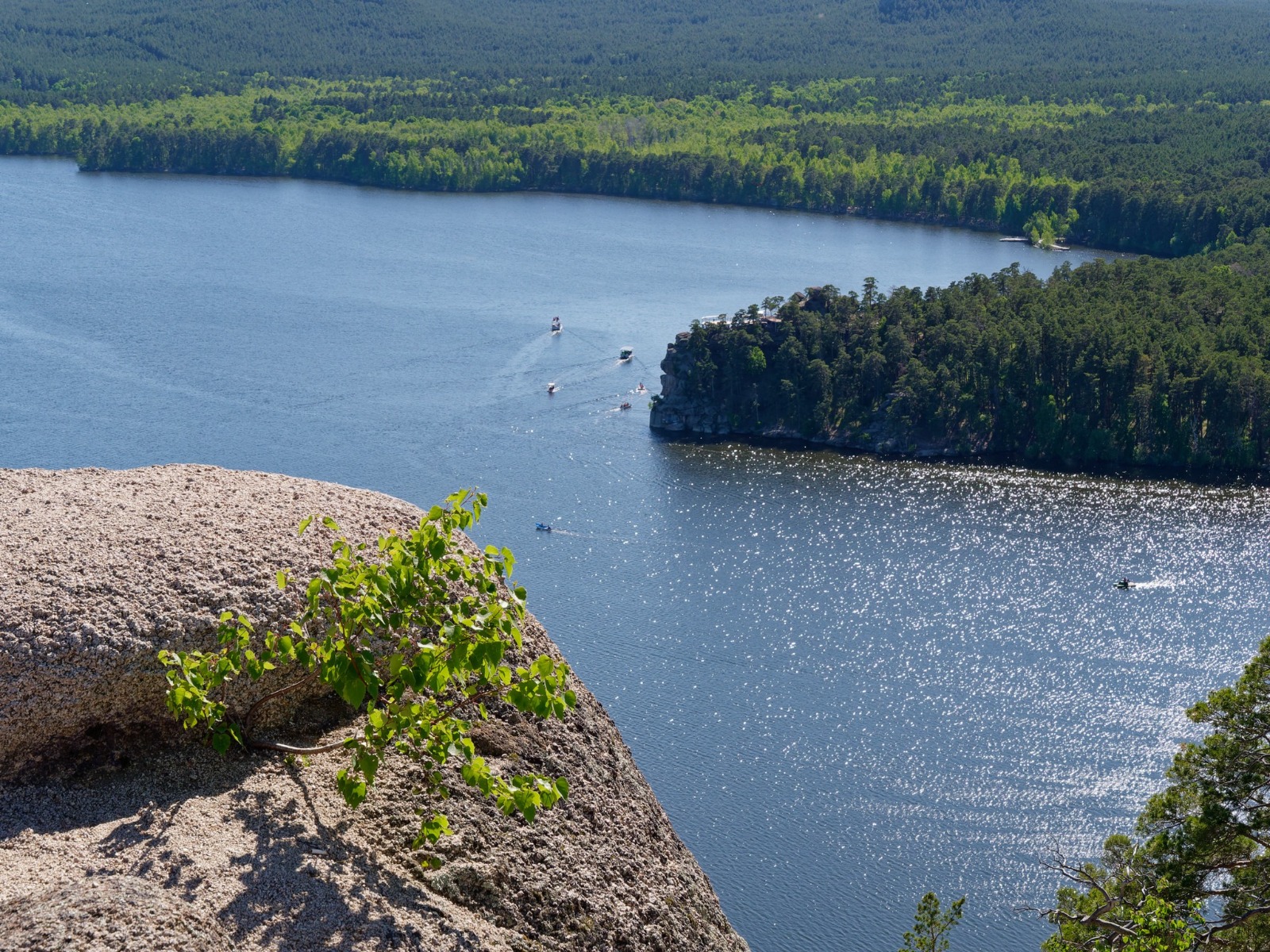
But it goes further than protecting existing forests. An equally important part of it involves the restoration of natural areas and making sure that the forest remains in good condition. Planted trees take years to mature, but there have to be new trees, also protected. A forest saved from fire continues to grow thanks to the work of dozens of people.
Regarding fires, a smart early fire detection system allows for the rapid location of a potential fire. Notified by a signal, crews arrive at the site, assess the situation, and take steps to extinguish the flames, something that demands team work and resolve, more so than modern technology.
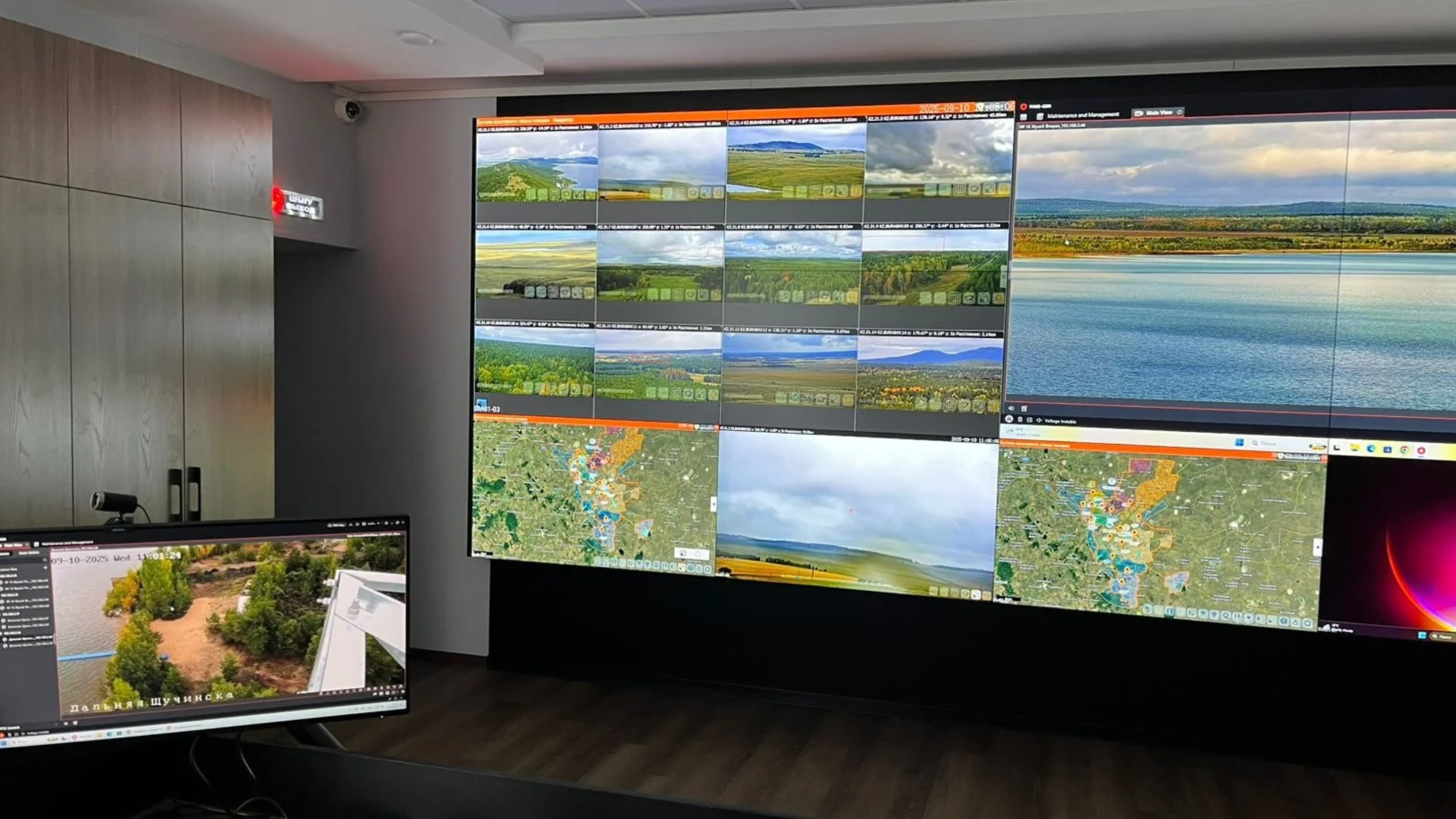
27 fire cordons are located within the Burabay State National Park, eight of which are stations equipped with systems that allow the deployment of personnel and equipment for initial response directly within the forested areas, even to places that are quite hard to reach.
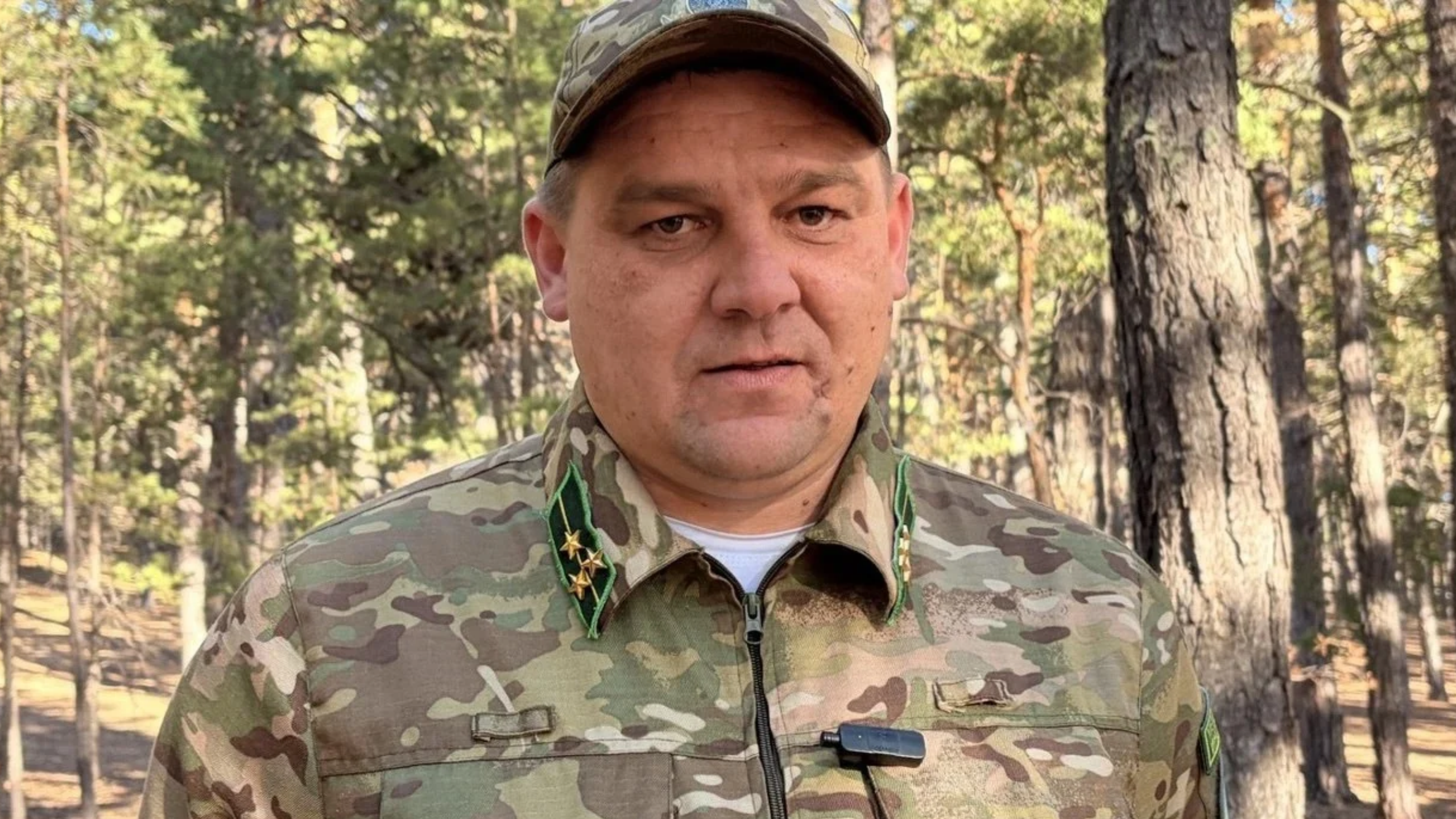
Konstantin Begeldinov is one of the team members at Burabay National Park, dedicated to preserving the region’s unique natural environment every day. He explains that there have been great improvements in fire detection since he started the job:
“Previously, the tower would report smoke in a certain direction. We’d drive and spend a lot of time searching. Now we get precise coordinates, the block, the area, and head directly to the desired location. We’ve also purchased drones. They allow us to survey the forest area more quickly and accurately, conducting surveillance more efficiently.”
Begeldinov started as a forester on a student internship. There were no foresters in his family, so perhaps you could say he stumbled into it, but it was his true calling from the start and his period as an intern made that very clear to him. He enrolled in the Higher College of Forestry, Ecology, and Tourism in Shchuchinsk, and finally decided that he wanted to dedicate his life to the forest.
Today, he oversees the Temnoborskoye Forestry, covering 15,165 hectares. Compared to the Borovskoye Forestry, it welcomes significantly fewer tourists, but that doesn’t mean there’s less work. Besides fire duty, his staff regularly meet with local farmers, shepherds, and fishermen to explain fire safety regulations and remind them of the consequences of violating them.
Sairan Nurgozhin tells a very different story, as he grew up in the forests of Kazakhstan and when visiting his grandfather was treated to motorbike rides around the woodland area where he got to learn all about life there from the foreman.
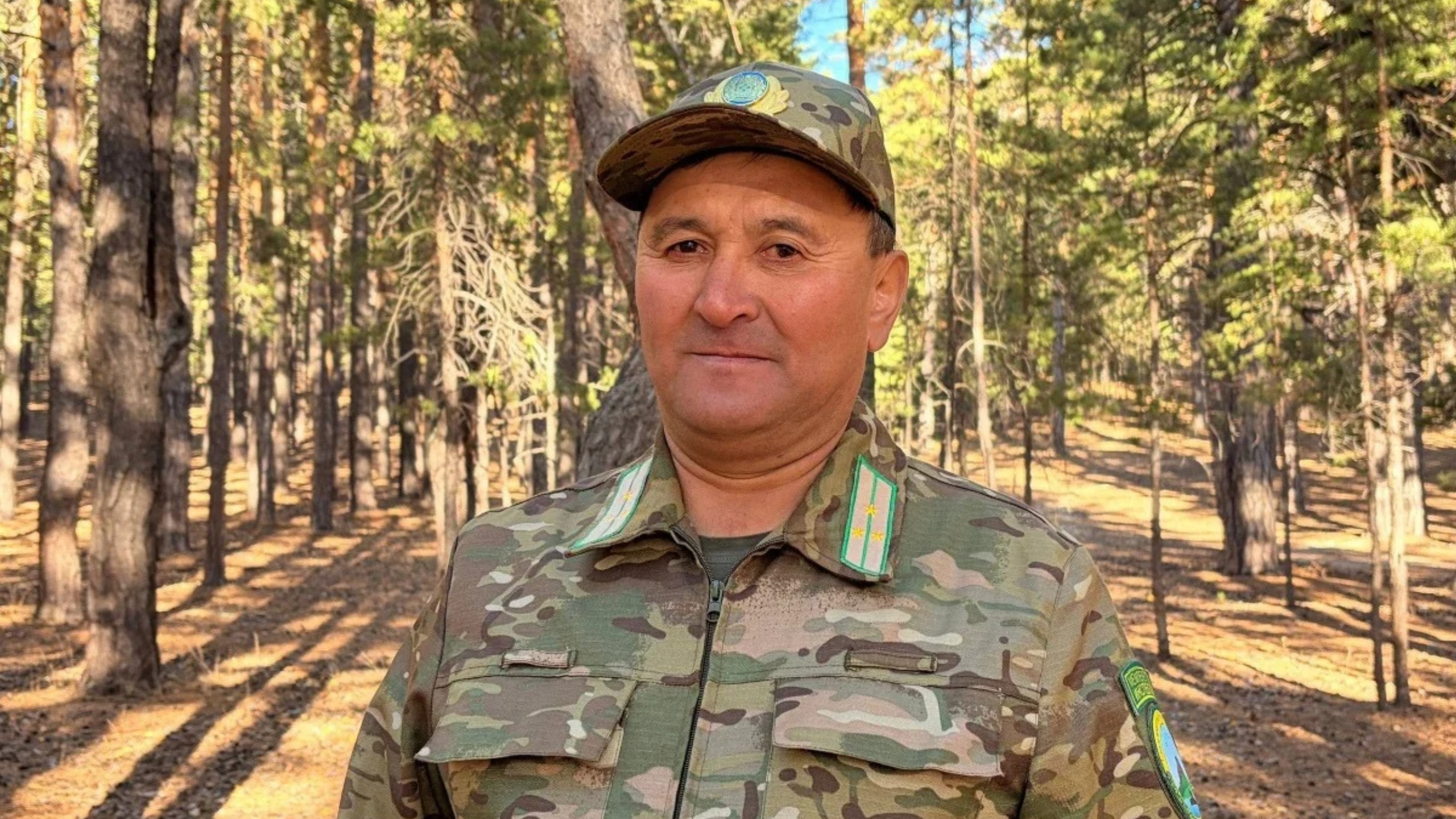
Sairan is now Head Forester at the Zhalaiyr Forestry District after his career path took him from forester to foreman in three decades, now perhaps keen to give a bit back teaching the youngsters in the same way he came to love the wildnerness, back as a child. His remit today includes heading up the Zhalaiyr Forestry Enterprise, which covers 17,387 hectares.