
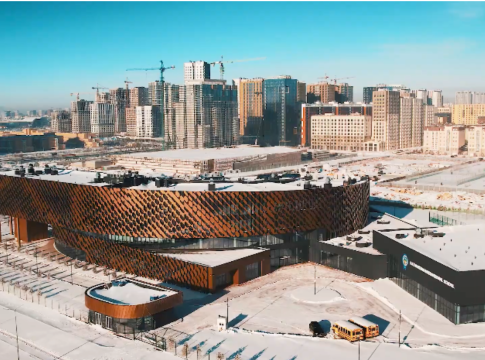
Regardless of what day of the week it is, 1 September in Kazakhstan sees millions of youngsters head back to school after one of the longest summer breaks anywhere in the world.
I remember that when I was at school near Stoke-on-Trent, UK, our summer holidays were four or five weeks, which was hardly time to catch your breath, let alone achieve anything worthwhile. It was even worse for the teachers who had admin and training to do either side of the few weeks they managed to take as actual holiday time.
On 26 May, schools in Kazakhstan officially close, and if pupils don’t have exams, they have over three months before needing to think about getting homework and assessments handed in on time.
That period has now come to an end, and over four million go to school this morning, some for the first time ever. The Ministry of Enlightenment advises Qazinform that for up to 380,000 children, 1 September 2026 will be their first day at school, 296,000 of them set to attend state schools.
The first day back is inevitably time to renew acquaintances with classmates and teachers, and even those who, by their own admission, ‘didn’t really do anything’ over summer have things to share when they get back.
Having been in schools on 1 September, I can confirm that it is far from a sombre affair, with smiles to rival those you see at the end of May when the extended holiday actually begins. Hundreds of children catching up and sharing stories is not generally something that passes off without excitement, which means that this date is one of the underrated happy days of the year.
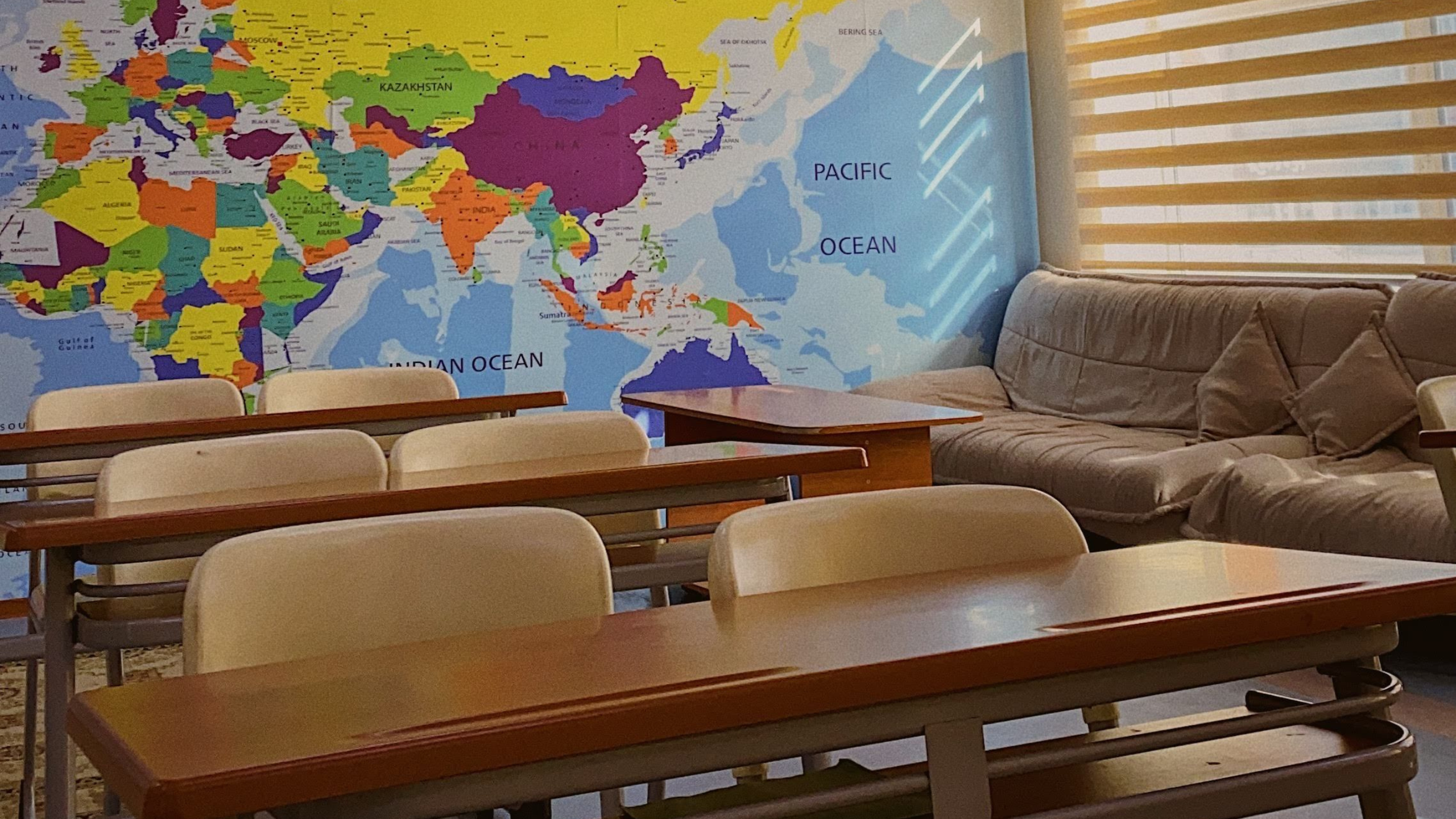
The first day doesn’t involve any formal curriculum-based lessons, but the opening of the new academic year takes place on Knowledge Day, which dates back to 1984. There are various traditions, including ceremonies called lineiki where children line up in the schoolyard and are welcomed by their teachers, to whom they may also give flowers. A special opening ceremony called first bell takes place to welcome the pupils, with special attention paid to those there for the first time.
Then, organising timetables and classes, although this isn’t always completed until a few days into the school year, along with some of the extra lessons, such as those on personal safety, bullying, and cyberbullying. Teachers also make students aware of dangerous online trends. Older ones will explore relevant issues, such as financial literacy, online data protection, and safe employment practices. There are even guidelines issued on dealing with stray animals.
Anybody reading in the UK might be wondering what pupils and their teachers do over the three-month break, although to be clear, the teachers don’t get the full three months as they have various duties to perform both after the school year ends and before it is due to start again.
‘Sleep!’ is a popular answer from some schoolkids who, despite the obvious irony in this remark, are often happy to have some time away from homework. Even those who spend summer taking private lessons and getting assignments from those are glad of the increased chance they get to rest.
According to Aruzhan, some young people are quite proactive in the summer holidays.
“Kids try to achieve as much as possible, but combine it with relaxation. A lot of people complete summer courses abroad or locally, or do summer camps. Some participate in sports, interest-related clubs, and nowadays a lot of people relax by playing computer games or going out with friends. Some people try to do internships and get some work experience.”
She accepts that not every child takes full advantage of the long break, adding that social media and the dreaded doomscrolling can dominate, too, as well as spells of boredom.
“I think so, yes, everyone does get bored at some point in summer. I personally do. But to solve this issue, most try to go to clubs of interest, spend time with family and friends.”
Yelena is a teacher and inevitably loves the long break almost as much as she loves her work. She is grateful for the two months she can use to improve her knowledge and make herself a better teacher, but most of it is done at her summer house (dacha) near Kaskelen, a town near Almaty.
“I spend all summer at my dacha, but most of my colleagues go abroad for an extended break. Thailand is a really popular destination. I believe that they all keep in touch with developments in their subjects, but not obsessively so; they work very hard and have earned their break, and they want to make the most of it.
“In essence, we try not to think about work too much, which is important, and it means we are fresher when we get back in late August.”
Towards the end of August, with the weather yet hot, it becomes time to think of school again. Yelzhan explains that there are a few things that have to be sorted before his children go back, things that he is keen to get done before the last minute.
“We buy clothes, school stuff, and get books from the library. I encourage my two to get back into learning and reading before the big day, although I don’t ask too much of them. It’s a question of easing them back into the rhythm of learning again. After a long break, it’s possible that my kids have forgotten some things, or at least need to be nudged to start thinking about school again.
“It’s important to make sure we have the right uniforms and other things they need. Leaving it until 30 August can cause problems, so we try to get things prepared ten or more days in advance.”
Approximately 8,000 schools across this vast country open their doors this morning to the millions of young people who represent the future of their country. Not every one of them will make the most of their opportunities, but only a handful don’t see the importance of what the year can bring them.