
After the adoption of a new Constitution on 1 July 2026, Kazakhstan is set to replace its existing bicameral parliamentary system with a unicameral house called Kurultai.
Kurultai, sometimes written Qurultay, is far from a new idea, as the organisation of nomadic life often revolved around a Kurultai – a form of gathering for the people. The word itself is derived from an ancient Turkic word, which means to gather, with a very similar word to be found in early Mongolic language, too.
The Kurultais of the nomadic steppe were also a form of self-governance, each a forum where people would seek counsel from elders, choose leaders, and respond to problems. There is evidence of this kind of system across not only Asia but also Europe, as even Hungary has an event known as the Kurultáj. The latter is cultural rather than political, but is an immense gathering of historians, artists, and officials from across the former nomadic kingdoms.
Inevitably, the political and social changes that the Soviet Union led to meant that the Kurultais in Kazakhstan lost much of their influence, yet, as with so much history, were never to be forgotten to the extent that as early as 1992, a World Kurultai of Kazakhs was formed. It had no legislative or executive power but served as a bridge between communities of Kazakh people exiled by history, communities often to be found living thousands of miles from their own kin.
In 2022, President Kassym-Jomart Tokayev introduced an Ulttyq Kurultai (National Kurultai) which similarly wasn’t responsible for making political decisions but for sharing ideas which could inform the adoption of laws, preservation of social values, and reforms.
The move to replace Majilis and the Senate is a significant political and historical milestone in Kazakhstan, and following elections on 23 August 2026, newly elected deputies will serve five-year terms in Kurultai, the highest representative body of the Republic of Kazakhstan.
It is believed by many that the new unicameral Parliament will be more responsive to the needs of citizens and that issues will be resolved more quickly. There is also expected to be enhanced democratic competitiveness, with more parties standing for election, which in turn will lead to further-reaching political debate.
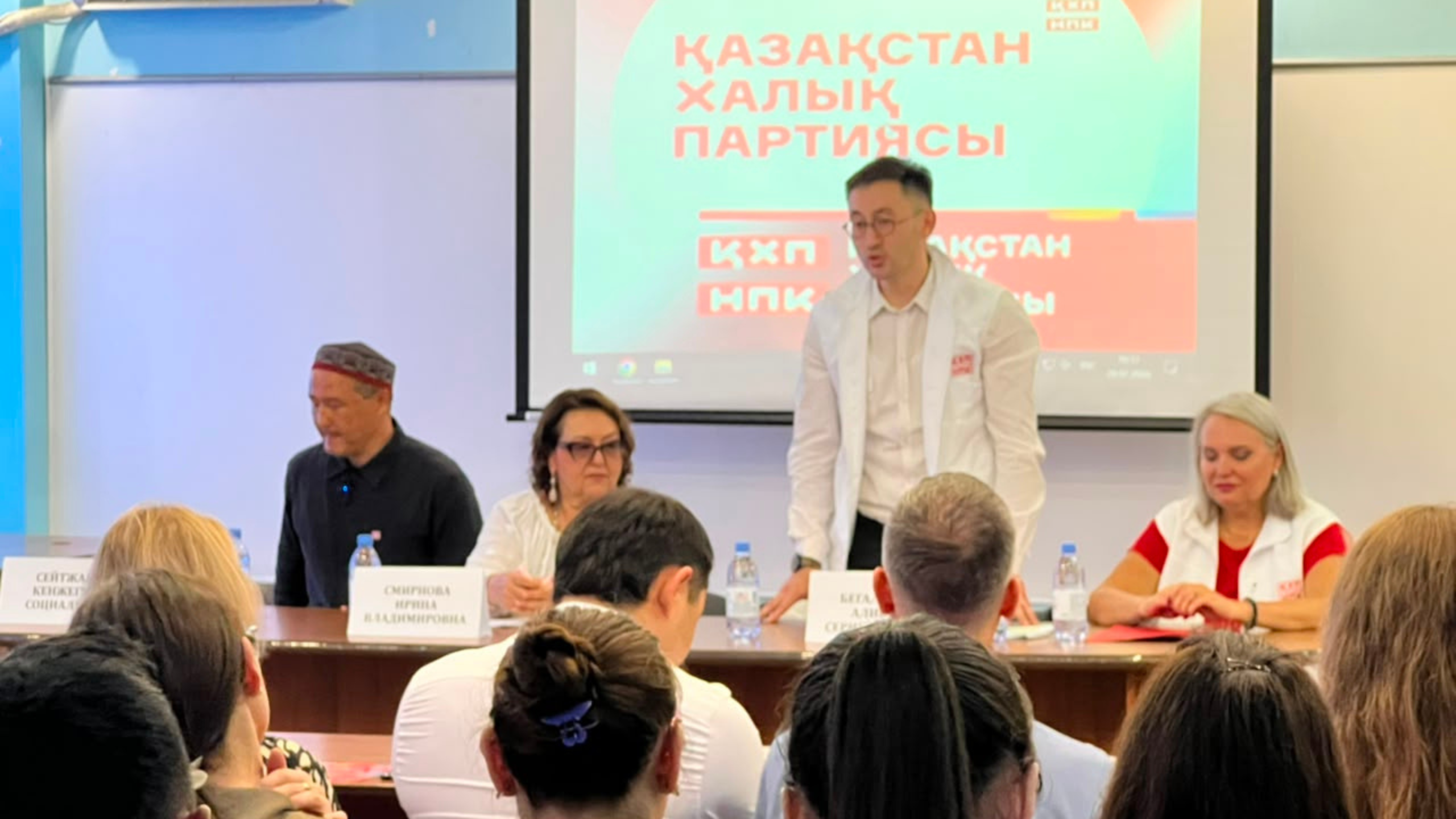
Alibek is an academic who is hoping to become a Kurultai Deputy later this month. He is very optimistic about the new system, believing that it has been well thought out and carefully tailored to a rapidly changing country.
“I see the advantage of a unicameral system as the ability to more quickly make decisions that are essential for the country. My main hope is that the new unicameral Parliament will become an institution of responsible representation, where ideas, programmes, and concrete solutions are put forward and discussed for Kazakhstan’s development.”
Many observers hold the view that the transition to a single House of Parliament will make the process more efficient as new bills will not have to pass through two chambers. Alibek is one of those people, but his decision to run for election is also underpinned by a belief that there should be a balance between the speed of decision-making and the quality of legislation.
“New ways of working shouldn’t reduce the time for expert review, discussion, and consideration of public opinion. Should there be several parties elected to serve, perhaps as many as seven, Parliament can become a platform for more open and frank discussion between different favouring different programmes and approaches.”
He firmly believes that an effective opposition is fundamental to a functioning democracy.
“After all, an open society has many more advantages in the long term. When citizens can freely express their opinions, discuss government decisions, propose alternatives, and participate in public debate, the state receives more information about the salient issues in society.
“In this sense, the new parliamentary system could be a step toward a more open political dialogue, where different parties, deputies, experts, and citizens have the opportunity to participate in discussing the country’s future.
“The opposition and the parliamentary majority should compete not for its own sake, but to find the best solutions for the country. Ultimately, the people of Kazakhstan benefit from this.”
There is a debate in British politics about the best way to define the success of a politician, what may seem a mere dispute over a word to many people, but an acutely different way of understanding the role of an MP (Member of Parliament).
Voted into power, or, voted into service?
In a democratic system, perhaps one cannot truly exist without the other, but Alibek is clearly a believer in the voted-into-service idea.
“First and foremost, I see the elected deputy’s primary responsibility as protecting the interests of citizens and being accountable for the decisions they make. After all, voters have placed their trust in the party platform and in them personally. A deputy must constantly maintain contact with their constituents.
“Moreover, they must understand the reality of the people and respond to that in their work. This should not be limited to the election period.
“MPs have to understand the consequences of their decisions, namely how new laws will affect citizens, businesses, education, and the social sphere. A separate question would be how budget funds are spent and whether the goals of state programmes are being achieved.”
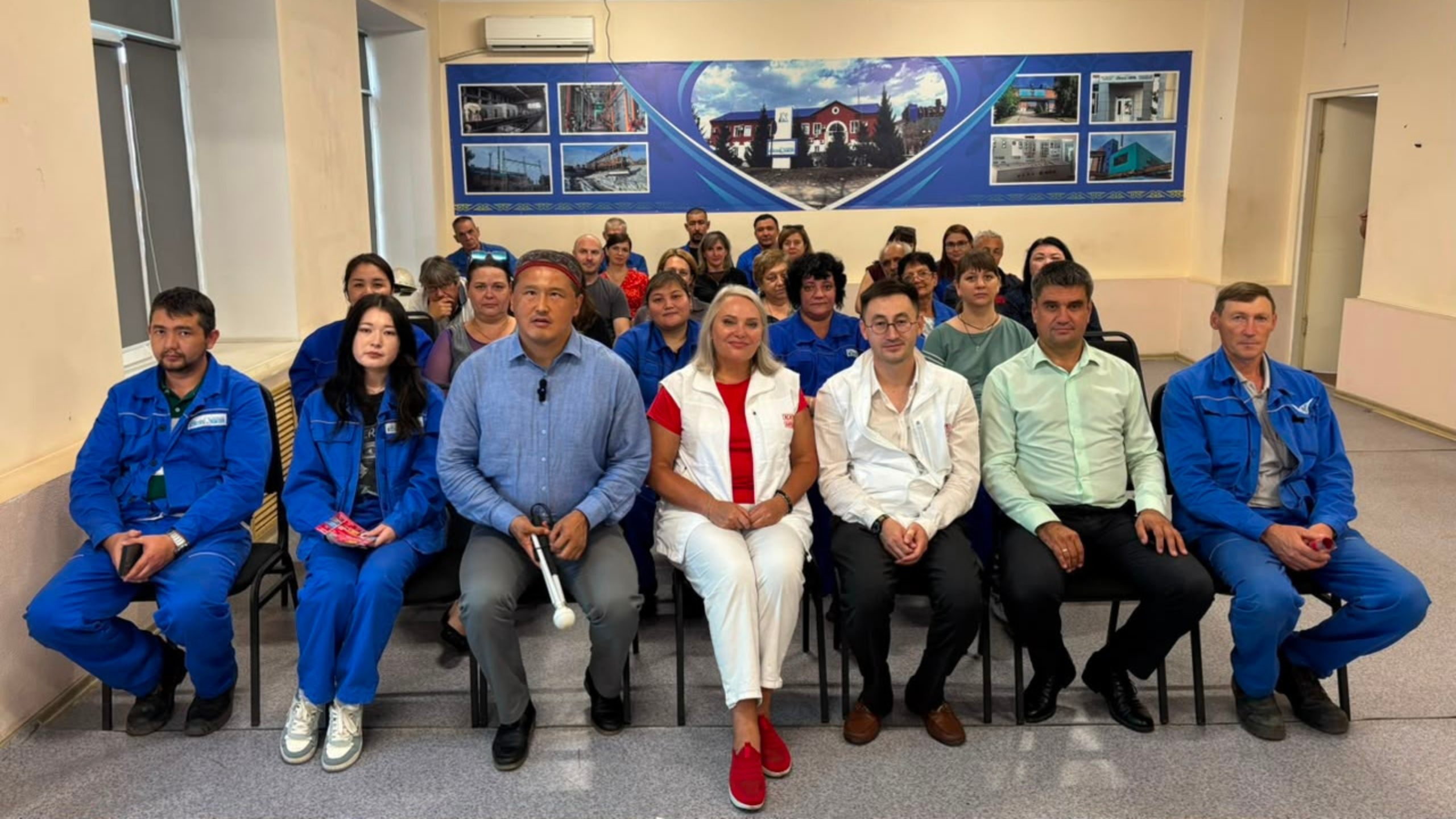
In the Kazakh Khanate of days gone by, Kurultai was attended by khans and sultans, clan and tribal leaders, batyrs, and respected elders with the most knowledgeable and experienced members of society depended on to oversee the maintenance of a functioning society.
Fast forward to 2026 and in many cases, this comes to pass once again, as the majority of those who have put forward their candidacy are widely experienced members of the community.
There is perhaps no typical profile of those running for Parliament, but they are invariably well-educated and experienced in one or several fields. Having a degree isn’t necessarily a pre-requisite to winning votes, but Alibek himself is an associate professor who participates in research projects. His background in education, primarily IT, is combined with a working life in media, public affairs, and science, not to mention a pedigree in public and media projects, such as at the Alliance of Regional Media and the Almaty Nomad NGO.
Nor does he let the side down when his track record in public office is brought into focus.
“I have worked as an executive producer for the Eurasia International Film Festival, television projects, and documentaries. I organised international projects and the “With Love from…” a motor rally dedicated to EXPO 2017, and the Universiade 2017.”
He takes the view that broad experience such as his helps him understand people in society on different levels, leaving him better able to empathise with what ordinary people experience in their lives, and how the work of the upcoming Kurultai will impact on them in their jobs and homes.
“Media taught me to listen to people and understand their concerns. Science taught me to analyse problems and seek solutions. Education gave me the opportunity to work with young people and better understand their needs. Public activity taught me how to work with people and turn ideas into concrete projects.”
Kazakhstan is a country with a population of just over 20 million and the younger generation makes up a significant portion of this population. About 60% of the population is under 40. This is a situation which many countries would look on with envy, given its potential, but the right influences need to be brought to bear and the right opportunities provided in order to maximise the potential available.
According to Alibek, supporting young people in obtaining a high-quality education so that they can find decent jobs and realise their potential as professionals in the future is crucial.
“Research funding, competitive salaries, modern laboratories, the opportunity to work with international teams, and growth prospects – these all demonstrate a country’s willingness to invest in its young people, and I am a firm believer in that. Science is part of it, it is an investment in the future and technological sovereignty of Kazakhstan.”