

I recently enlisted the assistance of one of my students as interpreter for a video interview I was doing for another publication, Darts Planet.
With permission from her parents, the 14-year-old competently translated English into Turkish and vice versa, as the World Girls Darts Champion, Zehra Gemi from Istanbul, spoke of her passion for her sport and her hopes for the future.
When submitting the video to the UK editor, he remarked about how amazing it was that a youngster spoke five languages. It was something he’d never come across, or even heard of, before.
“I have enough trouble with English,” he joked.
On forwarding the compliment, her reaction was a seamless blend of modesty and nonchalance, perhaps a tinge of surprise that anybody would even see it as unusual.
“It’s just normal here, all teenagers in Kazakhstan speak three or more languages!” she said.
I should point out from the start that this is not quite true. Not all teenagers do, even though several million of them are fully bilingual, plus improving their English year on year. This is a more prevalent reality in the main cities, but an encouraging trend that the country should be proud of.
When considering this article, it wasn’t at all difficult to find students and pupils who report knowing five languages, some of whom can attest to their linguistic competence with full certification, be it IELTS, TOEFL, SAT, DEFL, DALF, CILS, etc.
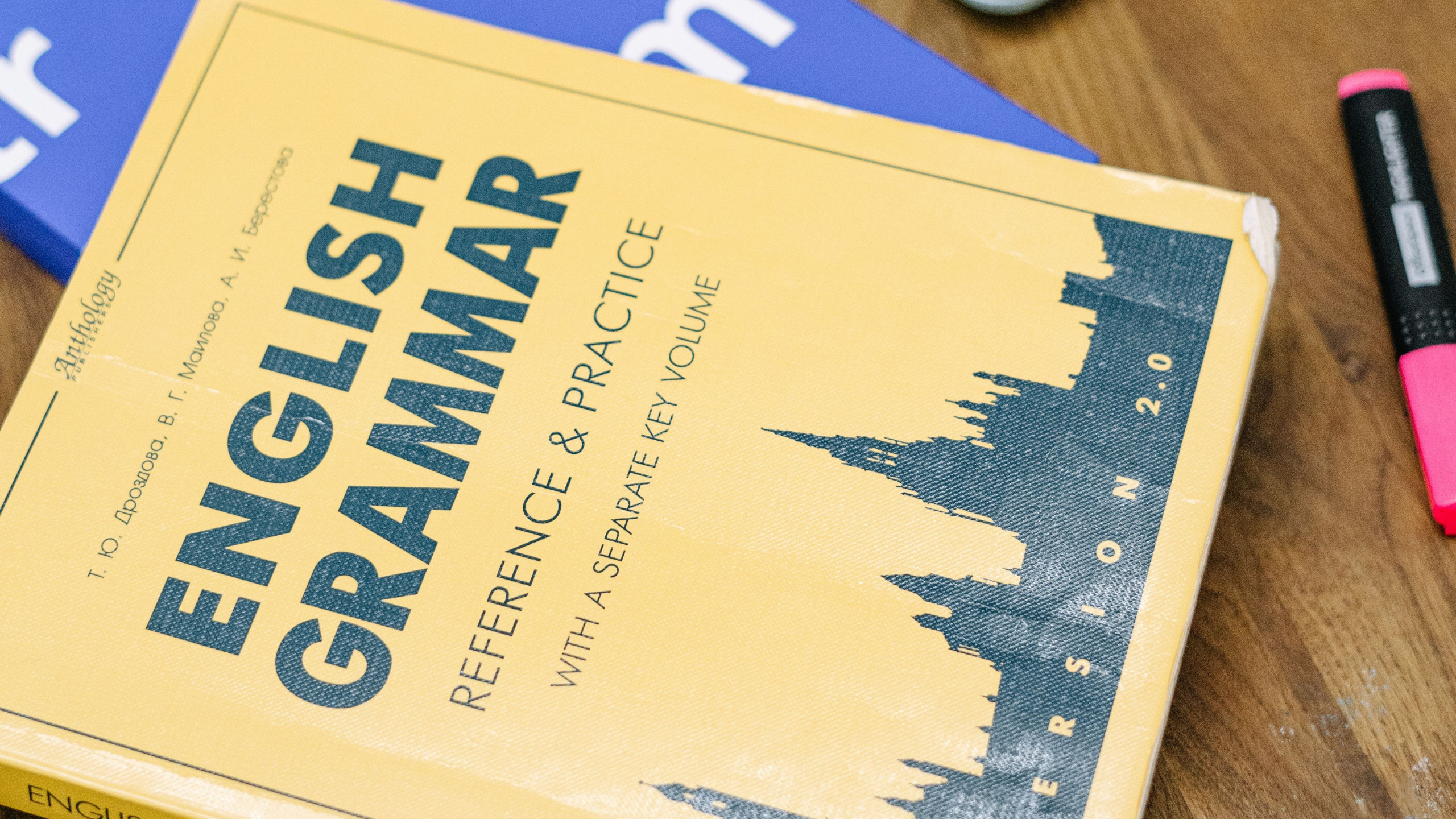
According to Quora, fluency in five languages places the speaker in the top 1% globally, the feat considered to be extremely rare outside the sphere of diplomacy and communities which raise children in an intensely multilingual environment.
That Kazakhstan is an overwhelmingly bilingual country with the aim of becoming trilingual explains up to three of these languages, and according to Azhar Nurzhanova, herself a teenage polyglot, there is no mystery as to those first three.
“I think because most of us learn both Kazakh and Russian pretty early on in life and maybe after that it is easier for us to learn other languages on a neurological level. Also many young people from Kazakhstan want to study abroad so there is the motivation factor coming from that.”
That gets us to three, but knowing the additional two in many cases highlights the innate and enviable aptitude many people in the country have, and the ease with which they report adding to their list is evidence enough that local brains are attuned to the acquisition of words and grammar.
Azhar is a native Kazakh and Russian speaker from her early life, both of them native standard, plus English from school and also from some travelling she did when she was working as a model. She also used online resources in her own time to raise her level and listening to her speak English like a native as well, it’s clear that she chose the right ones.
Her desire to become a Grammy-winning singer songwriter was also a driver in her tireless yet very laid-back pursuit of English excellence, but resulted in getting to four languages, too.
“Then I learned Korean, despite not needing to. I didn’t have masses of motivation; just the friends I had in middle school were obsessed with K-Pop so they all wanted to study Korean and I just went with them to the Korean Cultural Centre, basically just to hang out with them. The language courses were free at that time so it was a win-win situation. And now I’m studying in Korea on fully funded scholarship.”

Azhar says that Korean was harder than English.
This is a debate that will never be resolved because students and teachers of English around the world remain forgivably keen to anoint its acquisition with complexities that will accentuate their achievements in learning or teaching it.
But not without experience of my own, i.e. teaching English for 25 years and learning over ten languages myself… honestly, if English is as hard as Russian, then pigs might fly, as the saying puts it.
I can’t speak for Korean, but Azhar’s word is good enough for me, although she does give a reason, too.
“English was easier for me than Korean solely because I like the English speaking media more, like shows, movies, and music. By the same token, some of my friends say that Korean is easier for them, as most of them enjoy Korean media.”
In any case, we can consider her near-perfect Korean to be an achievement, but she also reminded me that she wasn’t the only person from that K-Pop bunch who left that cultural centre able to speak very well.
Of those who joined her, most of them were already fluent in the usual three, and some had taken other courses either for pleasure or to further their study ambitions, with Italian, German, and Czech high up the list.
Learning Italian tends to be for street-credit, for wow-factor, while those learning German, Chinese, and Czech do so in order to take advantage of excellent and often free higher educational opportunities in those countries. Czech is known as a difficult language but I’ve met, and taught many Kazakhs who went from zero to fluent on a nine-month foundational course ahead of their fully-funded degree course in Czechia.
Of those, most were fluent in English having also planned to study in the UK, but on selecting their degree course, there are some who had to prioritise Czech for educational reasons, and have tried to catch up with their English in between study and work, later on.
Azhar is lucky enough to be able to maintain her C1 English without taking lessons, because she is studying in Korea (in Korean), but many of her classmates are international students and they find that English does the trick when they want to socialise and detox from the intensive programme of study they are committed to.
Yet in spite of the full-on pledge she and her peers have made to the promise they made when being awarded generous scholarships, they still have time to top their language credit up and add to the lists.
“I am learning French, now. I have got to about B1 level and my intention is to become more fluent before I learn another language, likely to be Spanish or Portuguese.”

As for Jasmine, whose casual indifference introduced the article, she is also working her way up through the French levels, claiming to find it difficult yet showing progress well in excess of that of most English pupils who, by now, hardly even see the point.
Her native Kazakh and Russian are joined by her excellent Turkish, and fast-improving English and French, she too with plans to add more later on, when formal studies permit.
This is not always a question of genius, which is what a polyglot teenager in the UK would be considered. It’s about what the culture offers people, right from the two or three languages that predominate in childhood to the others that people see friends and family learning. It’s about the range of options available on the next street, with dozens of language courses available across the main Kazakh cities, not to mention the motivation of study abroad which remains a popular choice for people here.
It isn’t only my opinion that children who are raised bilingually have more aptitude for language learning later on, it is backed by science, for many people the only evidence that truly counts.
For what anecdotal evidence is worth, however, that there are so many speakers of five or more languages in the younger generations in Kazakhstan, says a lot about how the multi-lingual environment shapes their thinking, and leaves them with not only accessible options, but also the belief that, as Jasmine puts it, multi-lingualism is ‘just normal’.