

I noted with interest a recent article that reported how Gen Z in the UK are turning their backs on alcohol, and reflected, amused, how much things have changed since when I was a student and the only teetotaller in the whole dorm. Abstinence wasn’t cool in those days, I promise you.
Science seemed to say, for a long time, that alcohol in moderation is fine, not something you can take so seriously when you see the mess it often makes, and perhaps the latest findings that no alcohol is healthy are more worth taking literally.
Noting the difficulties that the American policy of prohibition unleashed might steer policymakers across the world away from attempts at replicating what clearly didn’t work, but steps in the direction of a world without embarrassing drunken behaviour and its myriad downsides might be worth reflecting on.
More and more Kazakhstani villages have embraced this idea of sobriety to the extent that they have become part of an initiative which is gaining pace across the country, the Alcohol-Free Village project.
In the Almaty Region, according to Tengrinews, over 23 villages have collectively given up the booze, with the star pupil being Bura, a village where alcohol has not been sold for approaching four years, not because this has been imposed by law, but because the villagers understood the benefits and introduced the policy voluntarily.
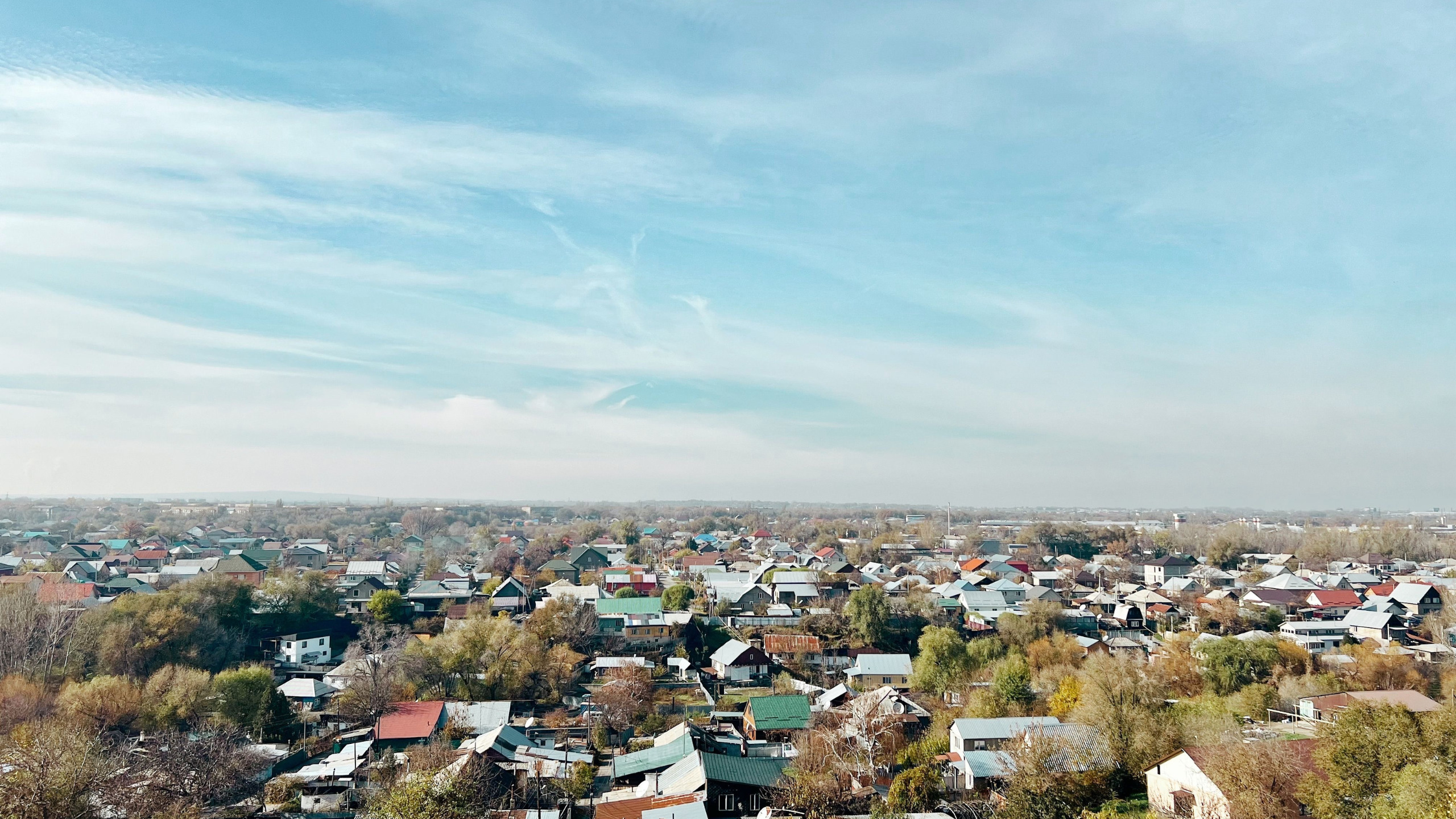
The village shops no longer sell alcohol (nor tobacco), which has resulted in, wait for it, ZERO crimes being recorded at all. That’s in the same four years that grog hasn’t been on sale there.
Wow, now who’d have thought that? Could these two things be connected?
One resident would simply share the obvious answer but instead told reporters why this has been such a successful thing to introduce.
“Our village is peaceful. Our children are good, and so are the young people. Nothing ever happens here. The stores do not sell alcohol. That is why we live peacefully, and everything is quiet.”
District police inspector, Bekzat Bayytduysen explained that it wasn’t a law passed down from a higher level.
“The residents themselves launched this initiative and not a single crime has been recorded in our village for a long time.”
Residents and shopkeepers in other regions of the country have also embraced this idea, with four settlements in the Beyneu District of the Mangystau Region now ticking all the temperance boxes, too.
This goes much further than adults simply switching to green tea when they want a drink; this is a cultural reset, in which children no longer have to grow up in a drunken reality imposed on them by people not strong enough to say ‘no’. Instead, they get to share a world with compos mentis adults who have far better things to do than wake up in the morning saying the words, ‘never again’, although they know full well they don’t mean it.
Setting a responsible example to our youngsters is far more actionable when sober; the villagers in these places have already seen how calm the local atmosphere has become, and how their residents have rethought their lives and embraced a healthier lifestyle, choosing reading, games, or sport instead of a bottle, a decision which benefits everybody – from families to workplaces, social clubs to groups of friends.
I don’t remember much about science lessons at school, but one thing did stick in my mind. A way you can find out what effect something has is to remove it.
I don’t think there is any need to elaborate, is there?