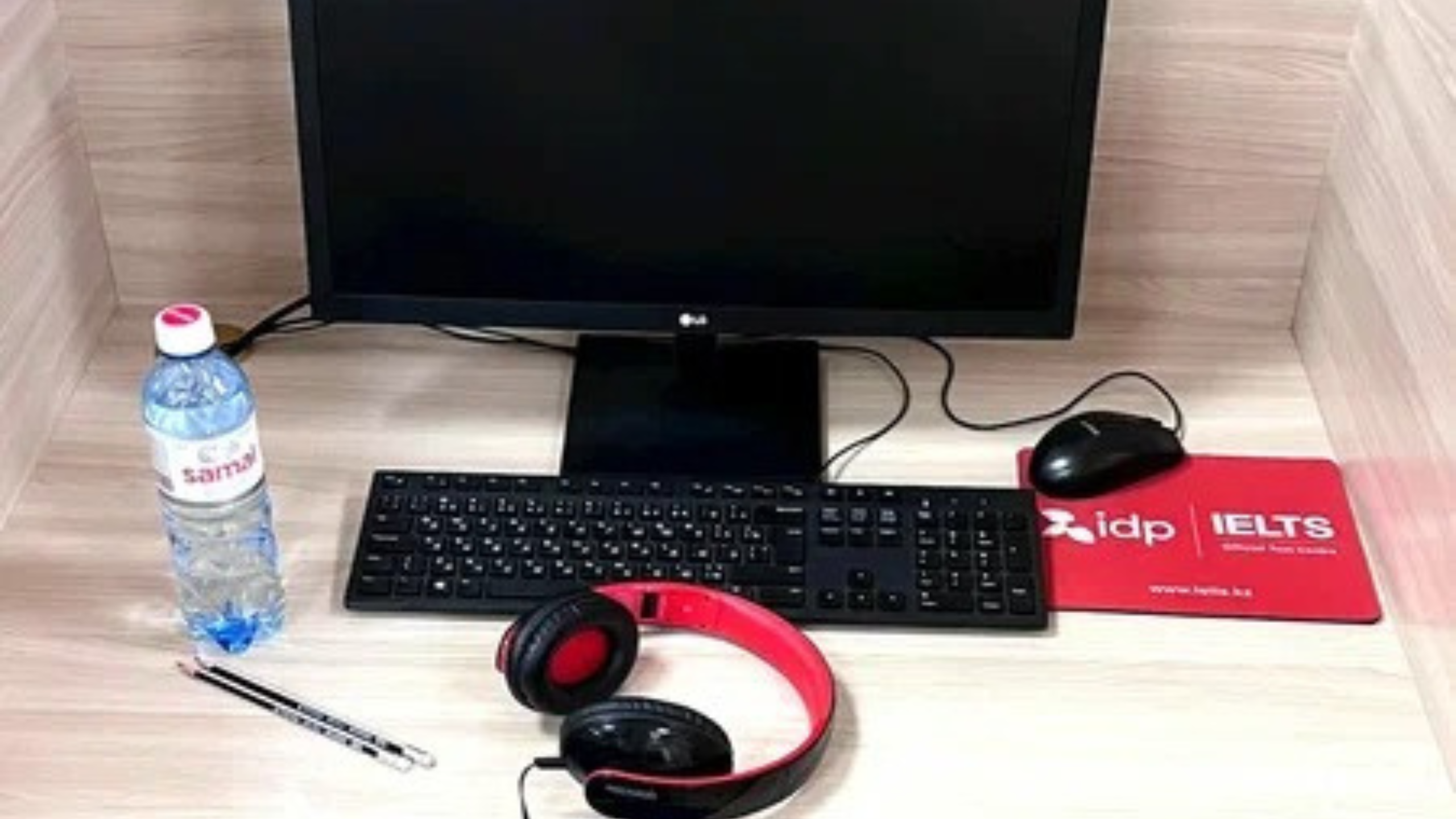
Acquiring a respectable level in a foreign language doesn’t happen overnight. It can take years – assuming done properly. When it comes to English, making the transition from a shaky knowledge of basic words and phrases to fluency, and, in some cases, professional ability, is more challenging than many people realise.
A very low-level speaker would be considered to have a ‘smattering’ of English, while the very best achievers ‘speak like natives’ – a vast spectrum of differing ability levels to be found in between.
Speaker A might claim to be fluent in English, while Speaker B, who has less confidence, may merely say they can get by, yet, in reality, is actually as good as the first person.
For some students of English, it serves their modest purpose to be able to chat to people or order a drink when on holiday, and their success may be judged on whether or not they end up with what they actually ordered.
For others, those wishing to secure a promotion or move on to higher education, a subjective self-declaration of what they can do is not reliable enough, and some verifiable proof of their level is going to be required.
As thousands of people in Kazakhstan are learning English for purposes which transcend hotel reception and restaurant menu, the process is likely to involve having to attest to how well they have done.
This is where English exams come in, and since 2008, IDP IELTS Kazakhstan has offered some of the most critically important internationally-recognised tests, primarily IELTS, to potentially hundreds of thousands of people who have then gone on, armed with the proof that they have more than the aforementioned smattering, to top universities, better jobs, and ultimately better lives.
English Exams in Kazakhstan
Alla Lipinskaya is the best person to bring us up to date with the flourishing examination scene in Kazakhstan, as she has directed that very centre since it opened just under 20 years ago, and has witnessed the revolution of change that has taken place since the early days of candidates scrambling to finish essays that their life plans depended on.
Perhaps the last part hasn’t changed, but as Alla told saqtimes.kz, very few people still do the IELTS exam on paper these days, part of the reason that 23 May will see the final paper-based IELTS exams take place in Kazakh centres.
“The advance of technology, while it has improved test security, has meant that there is more flexibility in the delivery of the IELTS exam. Tests are now available seven days a week and up to three sessions a day in Almaty, Astana, and Shymkent, and regular weekly sessions are available across the regions to suit the candidates.”
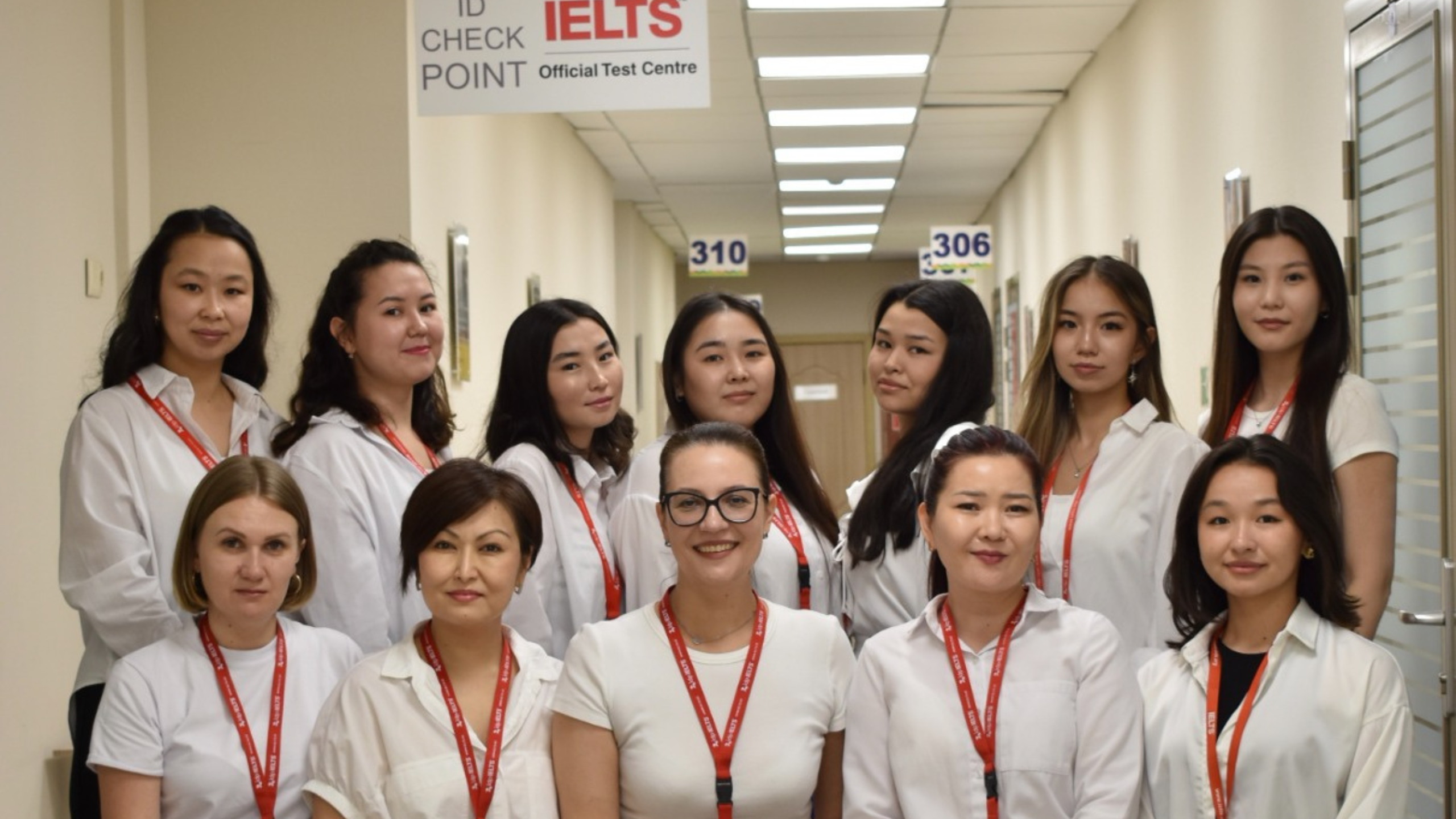
One of the most welcome changes has been the ability for people to re-take a single skill, in the event they obtain a satisfactory result in just three of the four skills – often not good enough. Until a few years ago, candidates falling short in one part of the test were required to re-take IELTS in its entirety. This added stress, costs, and necessitated more preparation time, and teachers around the country all have stories of students who came up short in one area, only to miss out the next time because of a lower score in a different skill.
IDP Kazakhstan is a national organisation with partners in various cities, and while official statistics are unavailable to the public, Alla informs me, quite proudly, that following a massive increase in test takers, by now, 7 out of 10 candidates take IELTS with IDP.
The Significance of IELTS
IELTS is the Real Madrid of exams, partly because it is seen by many as the ultimate proof of English-language ability, but also because in Kazakhstan those taking it vastly outnumber those doing the other English exams. TOEFL and the Cambridge Exams feature, but are far less in demand here.
Alla went on:
“IELTS has been in Kazakhstan for a long time, which means people are more familiar with it. There are a lot of teachers who know the exam very well and are skilled in its preparation, with plenty of the necessary tools.
“IELTS is an international exam, not only for the UK, and it opens so many doors. Most of our candidates are preparing to study at university.
“Taking IELTS doesn’t mean that the candidate is planning to study abroad, however, as so many plan to continue their education in Kazakhstan.”
Nobody should be under any illusions that IELTS is easy, but global scores indicate that millions of people are competent in English, with the average global score in 2025 given as 6.1 by the website magoosh.com
Yet, according to official statistics from the global IELTS organisation, the average score for the same year was 6.3 in Kazakhstan, not only an encouraging statistic for officials and educators across the country, but also a sign that the last decade has seen language proficiency improve significantly, with skill levels surpassing those of some European countries. Should the rate of improvement continue towards 2030, Kazakhstan could rank among the leading 10-15 countries.
The culture of English is far stronger here than it was 20 years ago. In the early part of this millennium, adults may have seen English as an investment, and pupils may have seen it just as a school subject (one they either like or not). A modern Kazakhstan has embraced English, and it has become more embedded in the culture.
IELTS is less daunting for people (while still a serious commitment) because so many people have done the test. Older brothers and sisters, parents, friends, and, of course, teachers, whose own level is demonstrably higher, and the delivery of English as a living language – not just as a pass-fail subject – reflects that in many cases.
Can English Exam Scores be Considered Reliable?
According to Alla Lipinskaya, exam security and confidentiality are the number one priority, while remaining understandably tight-lipped about the protocols in place to safeguard the integrity of the test.
“The test materials are protected, and the contents are not available, not even to staff, until the test begins.”
Some security policies are applied so strictly that not even exam centres around the world are aware of any more than they need to be in order to perform their role as an accredited IELTS centre, fairly and professionally.
Although confidentiality is a critical part of exam procedure, the IELTS organisation is transparent about the system by which it allocates scores to test takers.
Advice for Taking IELTS in Kazakhstan
IELTS is not the only international English exam, nor does everybody learning English even need a certificate. Just enjoy it, might be the best advice. Alternatives include TOEFL and the Cambridge Exams, among others, and Alla’s advice for those preparing for whichever test remains the same:
“Good planning is the key. Don’t leave it late; starting even a month before the test might be too late. Make sure you know the exam, do practice tests, take your time, and be clear about your aims. Know what score you need to achieve, and tailor your preparation to areas of the test that you fall short in.
“Year 10 is the best time for school pupils to do IELTS for a few main reasons. Firstly, it means you can get it out of the way before the mad rush of Year-11 exams, and if you don’t get what you need, then it won’t be too late to get where you need over the coming 12 months.
“Be aware that although 99% of test results are issued within a few working days, occasional delays do happen, so factor this into your plan.”
Alla finished by wishing everybody the best of luck when taking IELTS in Kazakhstan, a nice gesture from somebody who has been involved with the management of the exam for approaching two decades.
But as these exams are critical to the prospects of so many people, and indeed to the country as a whole, it all comes back to the human side in the end.