
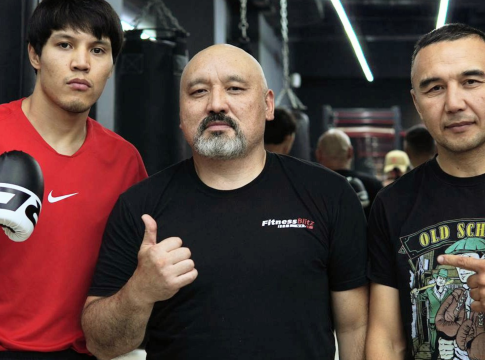
‘You couldn’t fight your way out of a paper bag’, was my unspoken reaction when attempting to agree lesson times with a young guy who told me that he had boxing training just after school.
I was pre-amused by the thought of this lad – who resembled an amplified librarian – punching anything, but his mother confirmed that he had been taking regular classes in boxing for a few years. Although he didn’t have any plans to use his skills, he did, in fact, show them in training – impressively so, if to believe his coach.
We finally found mutually-acceptable hours to conduct his English lessons, yet in the years that followed, I still struggled to picture this slightly-built and very meek teenager displaying anything resembling aggression, as we worked our way through the levels of English, occasionally sparring with the odd unorthodox grammar form on his way to fluency.
My mild surprise, however, would come as an even bigger surprise to anybody who understands society here and knows that fight clubs, ranging from boxing to BJJ, Muay Thai to krav maga, are to be found in every area of every town and city in the country. Even villages with 200 people sometimes have some such clubs, typically boxing, with somebody from the local area often more than proficient in the delivery of training.
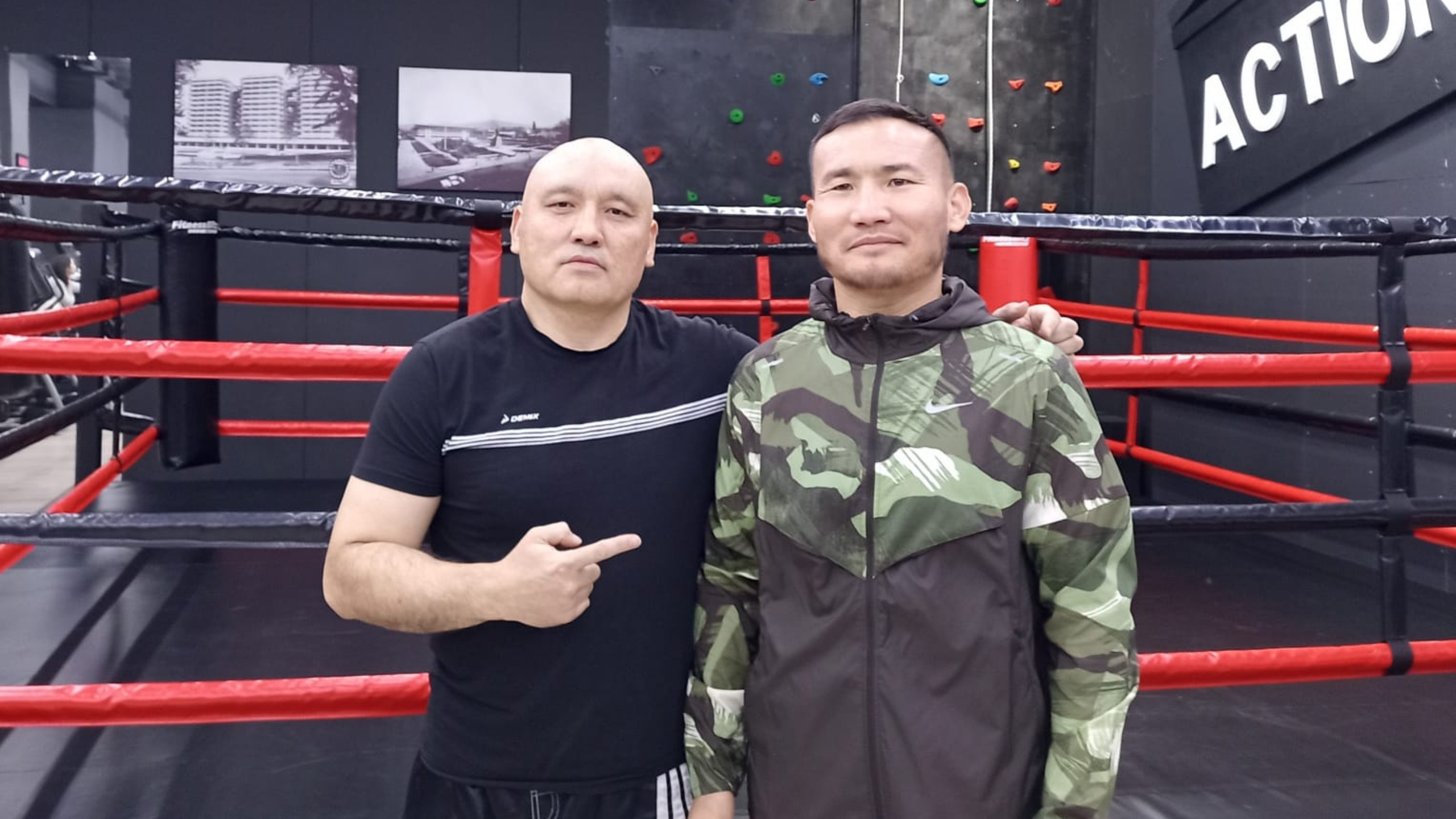
Arman Murzakhmet is a former boxer and two-time national kick-boxing champion, and makes his living today training people in the same two arts, with skills from other martial arts thrown in for good measure.
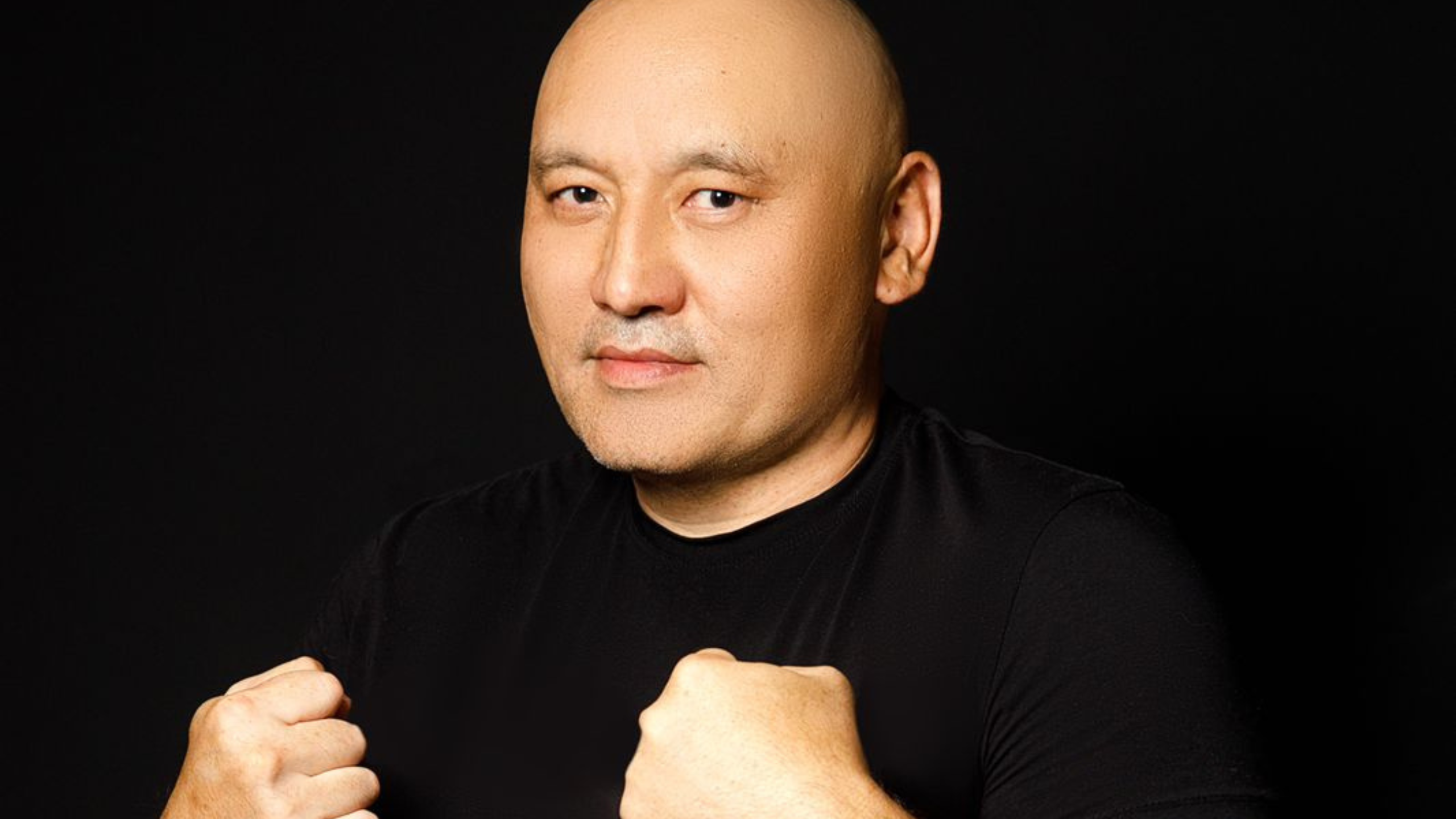
He was born in 1972 in the town of Kaskelen, just to the west of the city of Almaty.
“When I was at school, I did freestyle wrestling, but I felt the need to add to my skills when I was about 17, so I became a kick-boxer, and a year later, also a boxer. I won the Kazakhstan championship twice in the former, as well as winning international competitions, too, after training seriously for at least four days a week for many years.
“In 1991, after winning a national tournament, I gained the title of Master of Sport, International Class, and became part of the Durys Youth Sport Committee (ДЮСШ), but this was in 1991 when the country was changing so much, and there were so many challenges.
“Some of the coaches back in those days weren’t the best, to be fair, but they worked us hard. Then, after a promotion in 1995, I became a coach myself.
“I opened three fight schools and also cooperated with a famous club called Dynamo. It’s still there, in Almaty, and many national champions have picked up trophies and belts thanks to the skills they picked up in that renowned centre.
“Everybody has a talent; it’s a question of bringing it out. That’s how I work.”
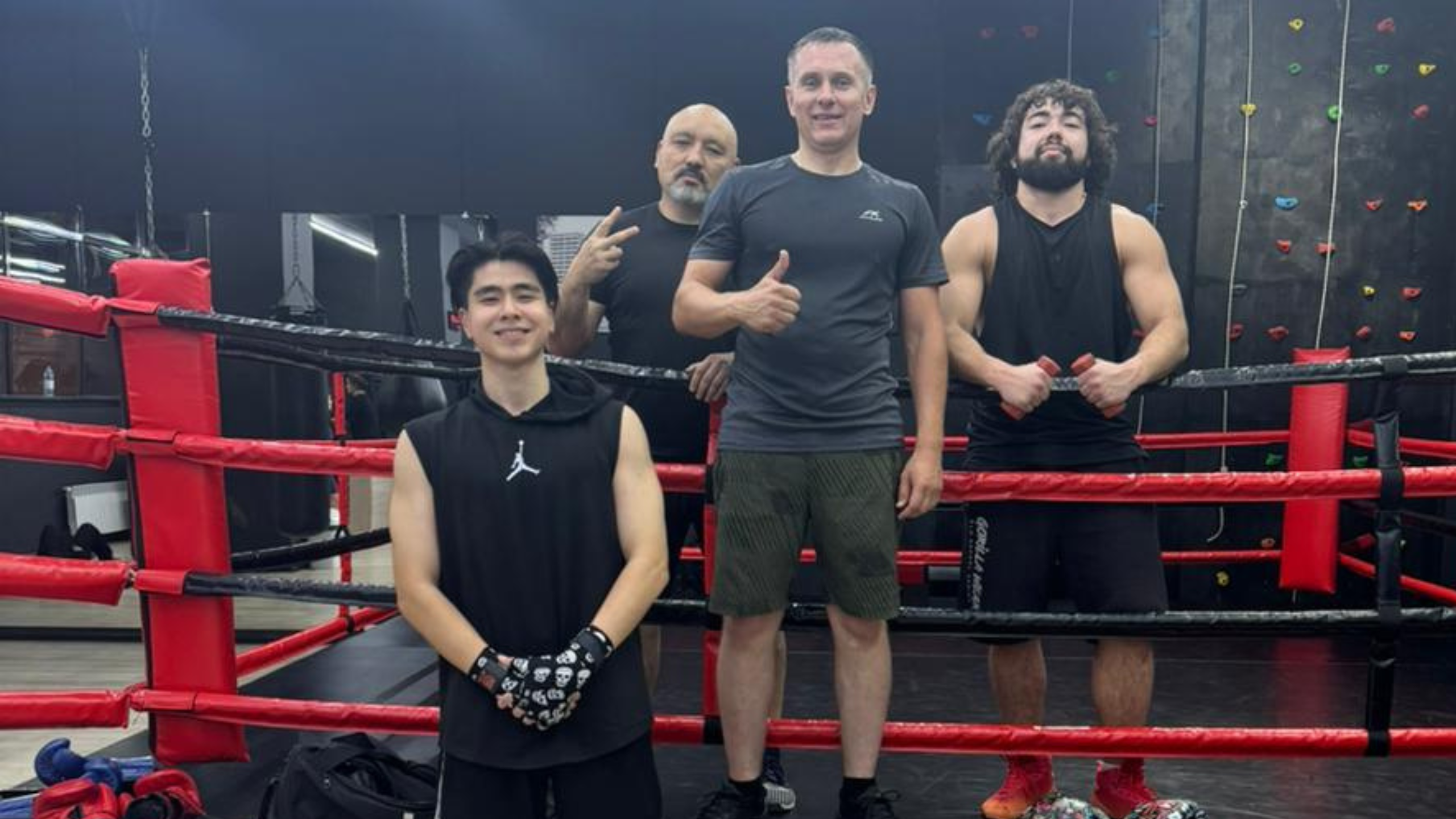
Sadly, Arman wasn’t to reach his own potential as he was forced to forego the chance to appear in two World Championships (one in China, the other in Europe), because the funding wasn’t available in those days, while some of his own students have excelled outside the country, in competition up to the highest level.
“I did go to Japan, though, and I loved it. Really nice, orderly, and clean place, with amazing people. They love their sports, over there.”
He tells me that almost every family in Kazakhstan has at least one fighter, something that should not be taken the wrong way, as we are not talking people who fight, rather, people who know how. It is part of the culture, and the high number of people from Kazakhstan who have excelled in combat sports is testimony to this, and let’s make no mistake, Arman is one of many thousands of coaches working full-time in the country today.
The national federations, especially that of Greco-Roman Wrestling, are very active in pushing for athletes, male and female, to compete globally. Our very own Valentina Shevchenko we may not yet have, but there are some lesser-known fighters on the up and up, it’s only a matter of time. I guess those who know Valentina might suspect that it’s a matter of rather a lot of time before we produce somebody of that calibre, but a matter of (however much) time it remains.
Arman tells me that she is from Bishkek, just over the Kyrgyz border, perhaps thinking that I didn’t know, but once clear, he added that of the aforementioned family members you don’t want to get on the wrong side of, many of them are the girls.
“There are a lot of female fighters, too, training in disciplines from MMA to Greco-Roman, and they are often seriously talented.”
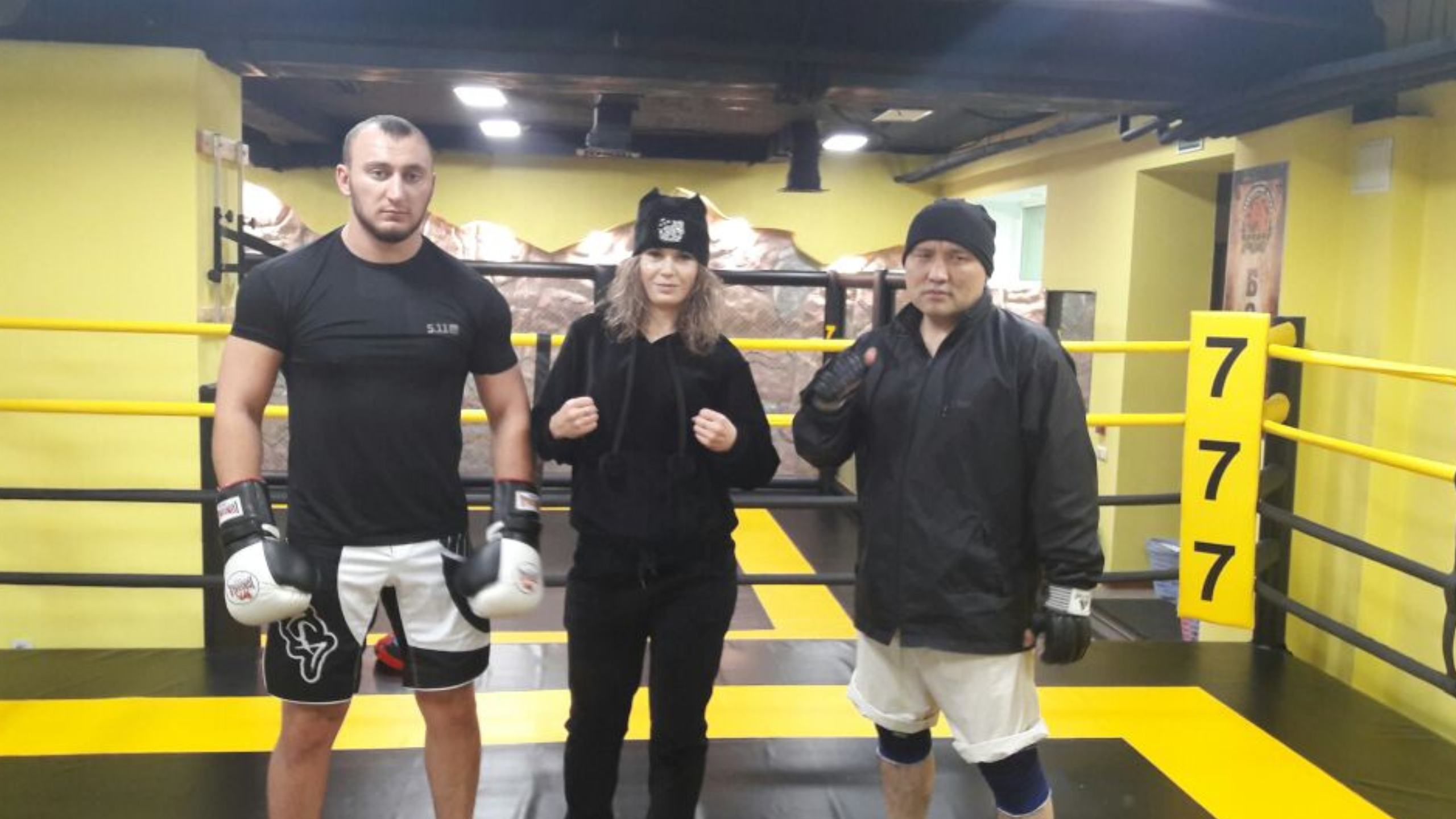
“Bakhtiyar Baiseitov is an experienced trainer of Greco-Roman wrestling, doing some great work to grow that sport and the confidence of their fighters is self-evident.”
MMA is another big area for this country, and there are a few already who are feared UFC fighters, for example, Shakhvat Rakhmonov, Nikolay Veretennikov, and Diyar Nurgozhay.
An encouraging aspect for Kazakhstan is the calibre of former professionals who are choosing to give something back to their sport. Gennady Golovkin is by far the best known, and little needs to be said about his career after picking up the Olympic silver medal in Athens in 2004, but other well-known retired fighters have made other career choices since they hung up their gloves, whether decorated in gold, silver, or bronze.
Gennady Golovkin is already a part of Kazakhstani history, but his contribution to his home town of Karaganda has only added to this. A sports complex was introduced to the city with free membership and training available to young people in a range of disciplines, not only boxing. Another such centre has since been opened in Kokshetau.
2012 boxing gold medallist, Serik Sapiyev, recently became advisor to the Kazakhstan Boxing Federation, and a host of others have gone on to open clubs and train the next generation. Arman himself was only a few quid short of ticking all the same boxes, but is proud to be a trainer, even if it didn’t happen on the back of an Olympic medal.
“They all follow different paths after they retire; it can be a bit of a lottery, in some ways. Some go into business. A lot of the top champions who are household names are close friends of mine, and many are devoted to their arts, for example Viktor Demyanenko, whose club I’ve actually worked in.
“This modern-day reality is part of the reason that this country is strong in combat sports, but let’s not forget the nomadic traditions which have many forms of wrestling, such as kuresi.”
The forthcoming World Nomad Games will actually showcase some of these events, including horseback wrestling, perhaps the most intriguing and unique type on show. Not something Arman Murzakhmet himself takes part in, but worth checking out.