
British and American workers arriving in Kazakhstan often remark how many public holidays there are in this country, and it is statistically a distinct possibility that their first few weeks of work here may involve getting a day off for one of the various national holidays.
I am sure they don’t have any complaints.
Compared to the main suppliers of Western expertise, the UK and the USA, Kazakhstan offers twice as many days off work. In the case of Great Britain, workers are treated to eight days off per year (not including weekends and their own national leave entitlement), and in the USA the reported number varies from six to ten. Basically, Kazakhstan has more days set aside to recognise matters of national importance.
New Year
The main such days in this country, which involve most workers not having to turn into the office, begin, aptly, at the very start of each year with 1 and 2 January set aside for New Year. Many British people let the new year in and, of course, also aren’t required to go into work that day, but the significance of the calendar change is nowhere near as significant in England as it is in Kazakhstan. Scotland, well, that’s another matter altogether.
In the absence of a December Christmas over here, New Year is really the Christmas that Westerners tend to miss when they are asked to work on the 25th and 26th of the month. There are many similarities, with a Russian Santa Claus, Christmas trees (called yolki), and a mass of decorations lighting the city up as much as you’d find in any English town.
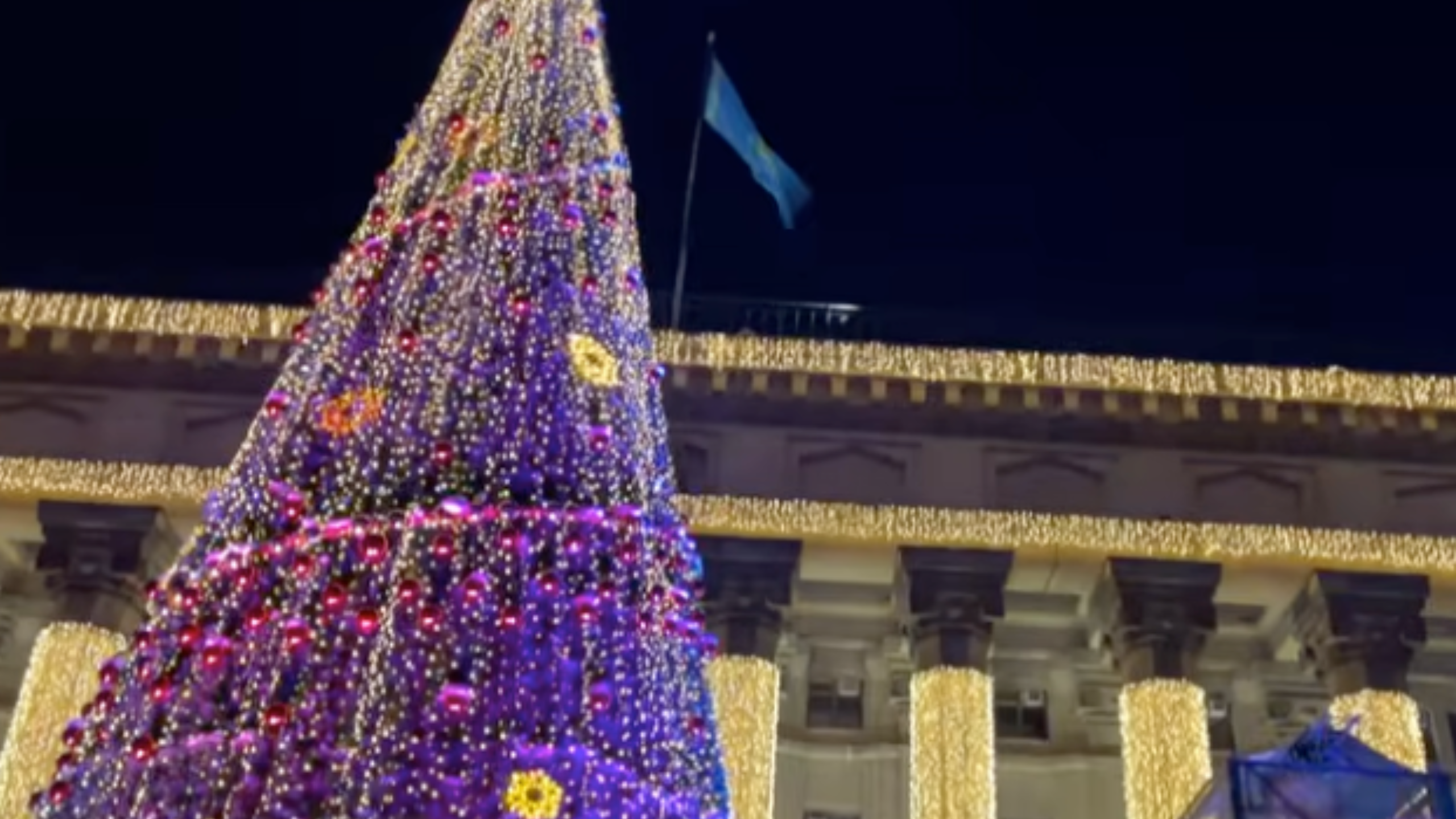
New Year is for everybody, not only for the Russian community, and one of the special days of the whole year, especially for children. Even better for those kids who have one expat parent who are just off the back of a Western Christmas, too. Now, that’s a lot of presents!
Two Religious Festivals
7 January is our Christmas, although the similarities with 25 December are limited, as this is a religious festival observed by Orthodox Christians, slightly over 20% of the population here. While legally this is a national holiday for everybody, regardless of religious belief, the festive rituals are an Orthodox commitment, and a serious one at that. Many will go to church, including those who may not usually do so, and after the service they visit relatives and friends to offer gifts and warm wishes.
It is my considered opinion that nowhere in this world enjoys inter-ethnic and interreligious harmony like we do in Kazakhstan, and while I am happy to learn of other countries that might make similar claims, the two main religious national holidays, Orthodox Christmas and Qurban Ait, are respected across this country right down to almost the last person.
The first day of Qurban Ait is an Islamic tradition, and although it doesn’t fall on the same day each year, it is another national holiday recognised at a state level. In 2026, it was observed on 27 May and is said to be scheduled for 16 May in 2027, which means that on that day next May, Muslims will begin the day with Ait-namaz prayers in Mosques up and down the country. After the sacrifice of livestock, families prepare a festive dastarkhan (table) and exchange greetings and gifts in a home specially cleaned for the purpose. Many also make a generous contribution to charity on this day. “Qurban ait qabyl bolsyn!”
The Festive Month of March
March is a special month beginning with International Women’s Day on the 8th. This is by no means a passing detail; it is not a minority custom that takes place in the background; it is one of the brightest occasions on the Kazakh calendar. Stalls are set up on the streets for the few days leading up to 8 March, with thousands of flowers for sale all over the city.
8 March is a day to honour mothers, wives, daughters, and colleagues, and to appreciate their beauty and kindness, and no man in the whole land lets this one pass him by.
Later in March comes perhaps the happiest week of the year, the Nauryz Holiday, which sees towns and cities transformed from 21-23 March into a wash of colour and energy as one of the world’s oldest celebrations takes place to mark the beginning of spring.
Nauryz is not a Kazakh word by origin; it comes from Persian and literally means A New Day (perhaps a nice touch for the Jethro Tull fans out there). Thus, Nauryz is all about rebirth and renewal, and the positive vibe of the occasion brings out the best in just about everybody, meaning that the theme of openness, cordiality, and mercy comes easily to anybody taking part.
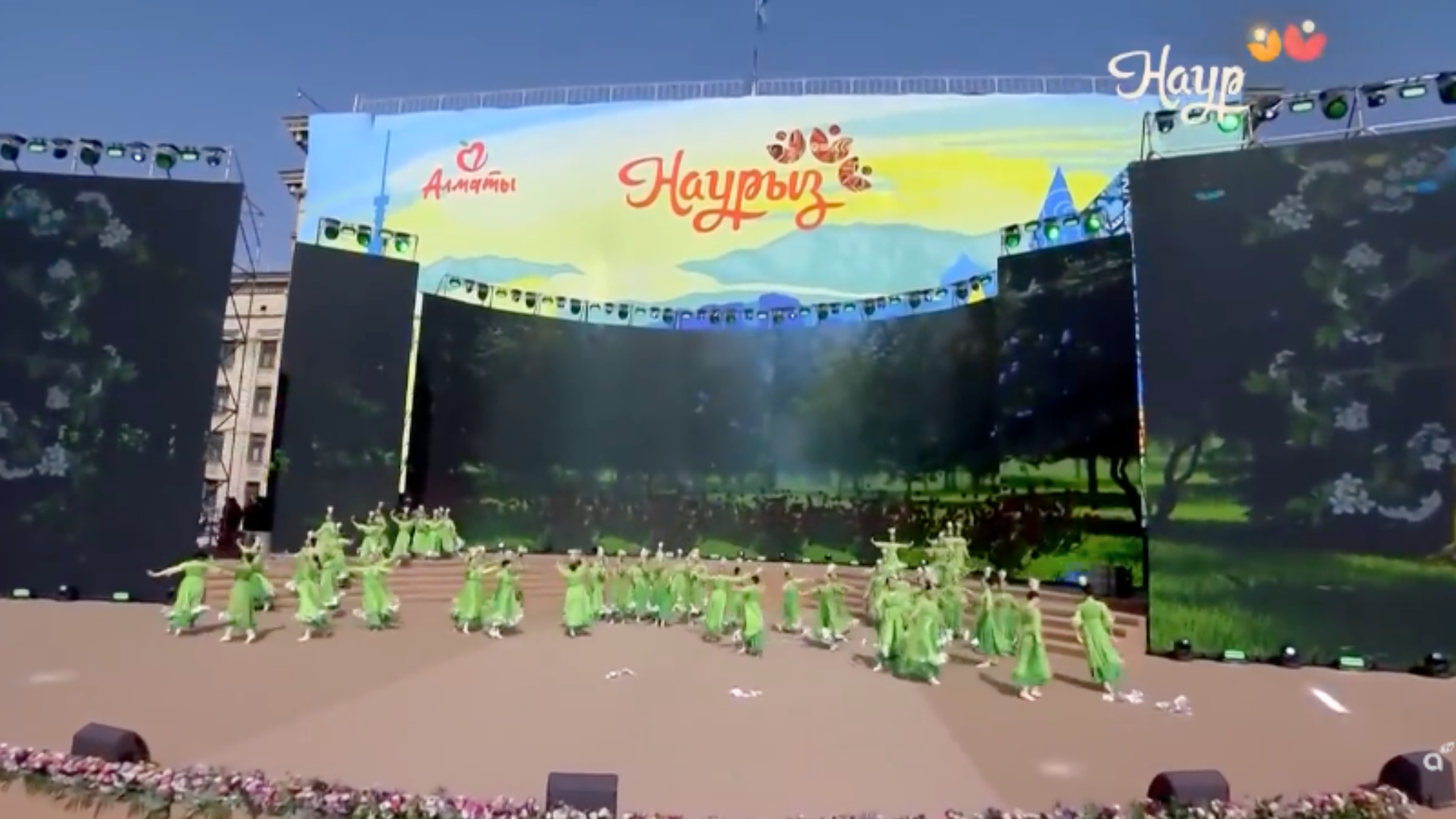
Locals wear traditional costumes, sing, and play games, not to mention share special food such as kozhe, a time-honoured dish made with smoked meat, milk, millet, wheat, corn, water, and butter.
Three Significant Occasions in May
According to the official Government website, 1 May is known as Kazakhstan’s People Solidarity Holiday, and while many people refer to it as Unity Day, the intention is very much the same.
The day when diversity is recognised as a true strength rather than a token gesture, this is an event we have covered before. For more details about the day that the whole world could learn from, click back.
7 May is known as Defender of the Fatherland Day and has been an official state holiday since 2012. It commemorates the creation of the armed forces of the Republic in 1992, the decree then signed by first President, Nursultan Nazarbayev.
The spirit of the day is mainly to honour military personnel, and to this end, ceremonies and parades are held with awards presented to distinguished service members.
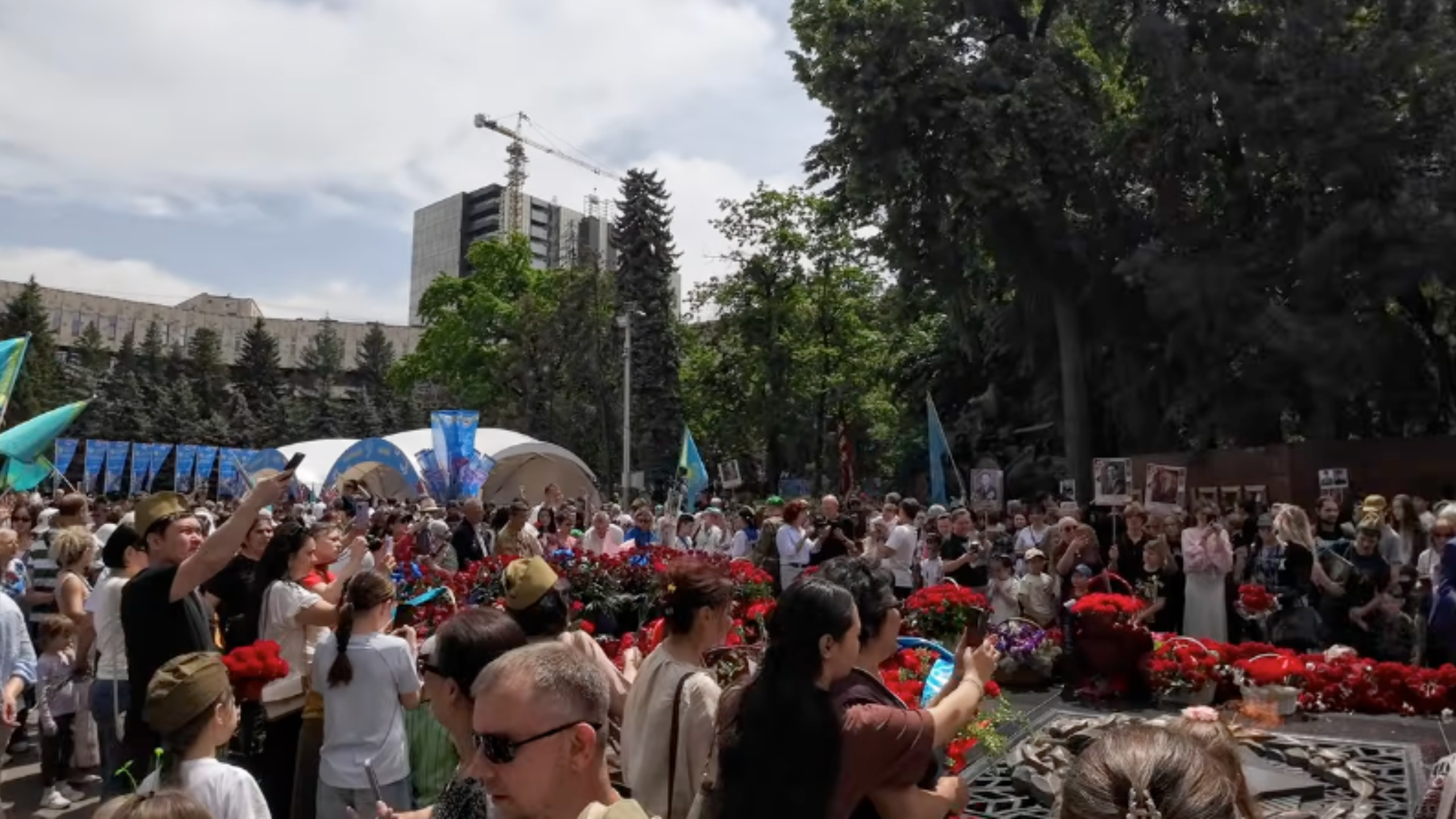
9 May is Victory Day and another critically important occasion we have covered before, more justice done to it via this link. It is worth noting that the presence of Defenders of the Fatherland Day two days previously means that Kazakhstan separates the showcasing of its military hardware from the eternal tribute paid to those who fell during the Great Patriotic War, which to many observers makes 9 May all the more special.
Three Days of Republican Significance
6 July is Capital Day, also the birthday of the first President, Nursultan Nazarbayev, and it marks the relocation of the state capital from Almaty to Akmola, as it was called in 2008. After a change of name (Astana is the Kazakh word for capital), the national holiday was established shortly afterwards, with Astana itself host to city-wide concerts, cultural performances, fireworks, sports competitions, and exhibitions. It is a public holiday for the whole country, notably.
Republic Day is another chance to review previously published articles; not that I think I do clickbait quite as well as your average British tabloid, but I have the same time and space constraints, so let’s keep the reference brief here and remind you that information about the important day of 25 October is available via this link.
Following the declaration of sovereignty, which led to Republic Day, independence was finally taken on 16 December 1991, meaning that the very same day each year is one of official state ceremonies, concerts, yurt setups with national foods, and evening fireworks in major cities. Officials also present state awards to honoured citizens.
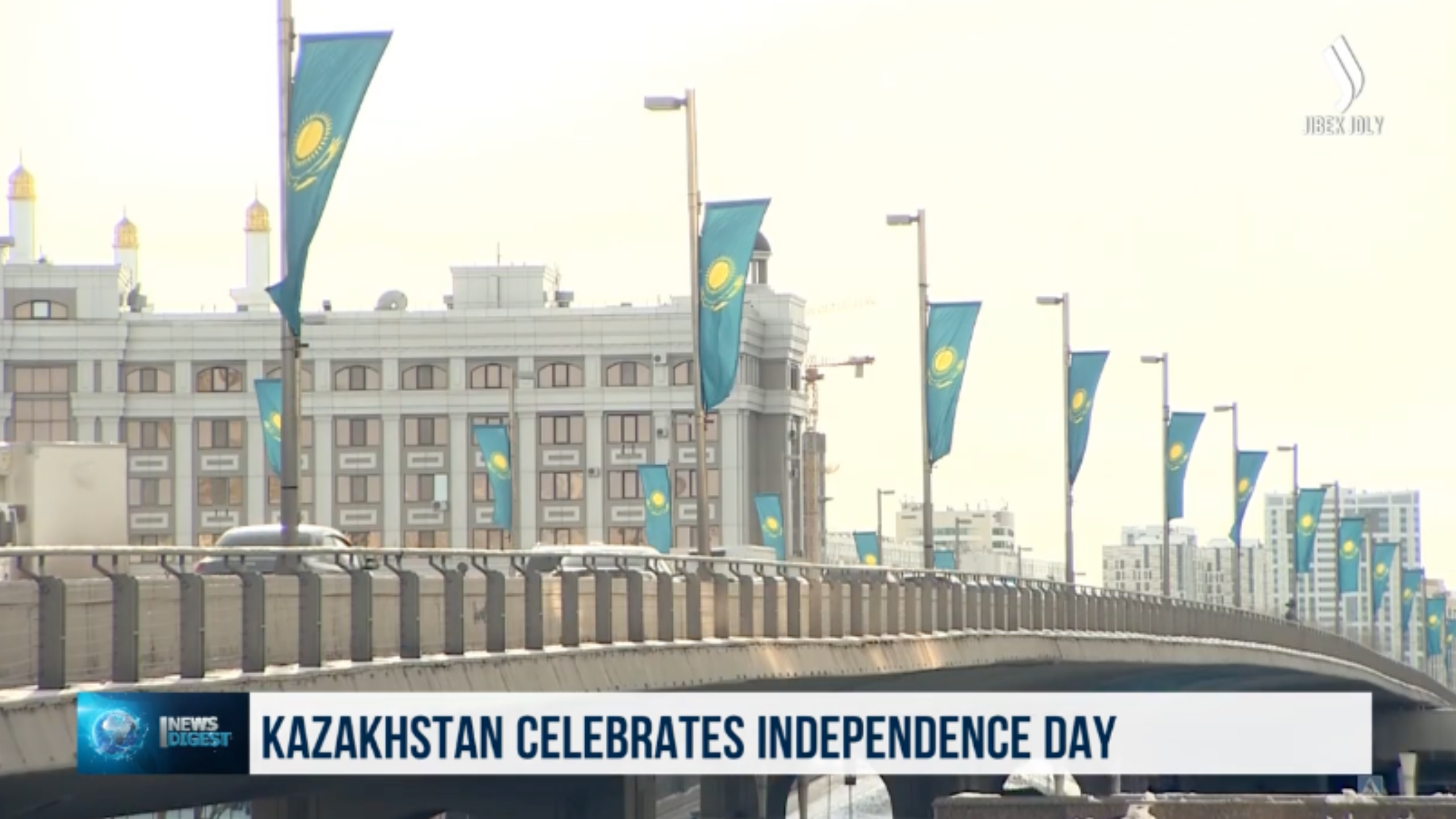
Independence Day was traditionally marked with two official days but has now been reduced to a single day, not a sign of its decreasing importance but a decision made at state level to reallocate one of the two days to the implementation of Republic Day, which had not previously been an official national holiday.
Additional Days to Show Respect for the Professions
But the story doesn’t end here. The above are officially sanctioned days off, even if not every employee everywhere can take advantage, inevitably. The country also has a host of special days set aside to recognise the contribution to society of professions up and down the land which we all know we can’t do without.
Although these are not offered as actual holidays, not even for the workers honoured by the occasion, they are often accompanied by smaller-scale celebrations, perhaps in the workplace. Officials may honour chosen representatives of their profession in ceremonies that may feature in the media, or sometimes not.
But there are approximately 40 days across the calendar, two of which we’ve covered, Media Workers’ Day and Forestry Workers’ Day, but by way of highlighting how widespread this is, consider that Kazakhstan has days to mark, for example and in no particular order: Geologists’ Day, Miners’ Day, Teachers’ Day, Rescue Workers’ Day, Entrepreneurs’ Day, and also recognises World Bread Day, the latter coming on 16 October.
I have to confess, I’d not heard of World Bread Day, but bakers up and down the country will doubtless take it as a sincere tribute.